How leg cycle exercise rebuilds strength and mobility after surgery, stroke, or long bed rest, with a safe starting routine from the physiotherapists at Relive, Vijayawada.
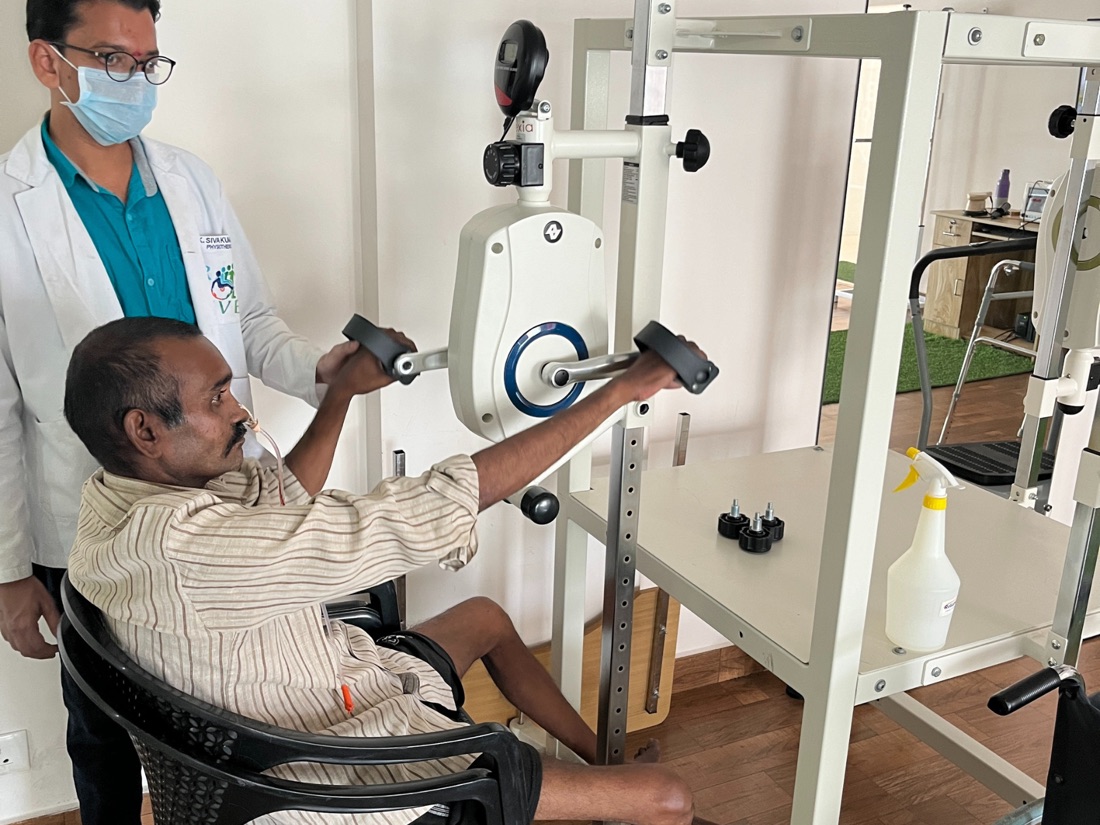
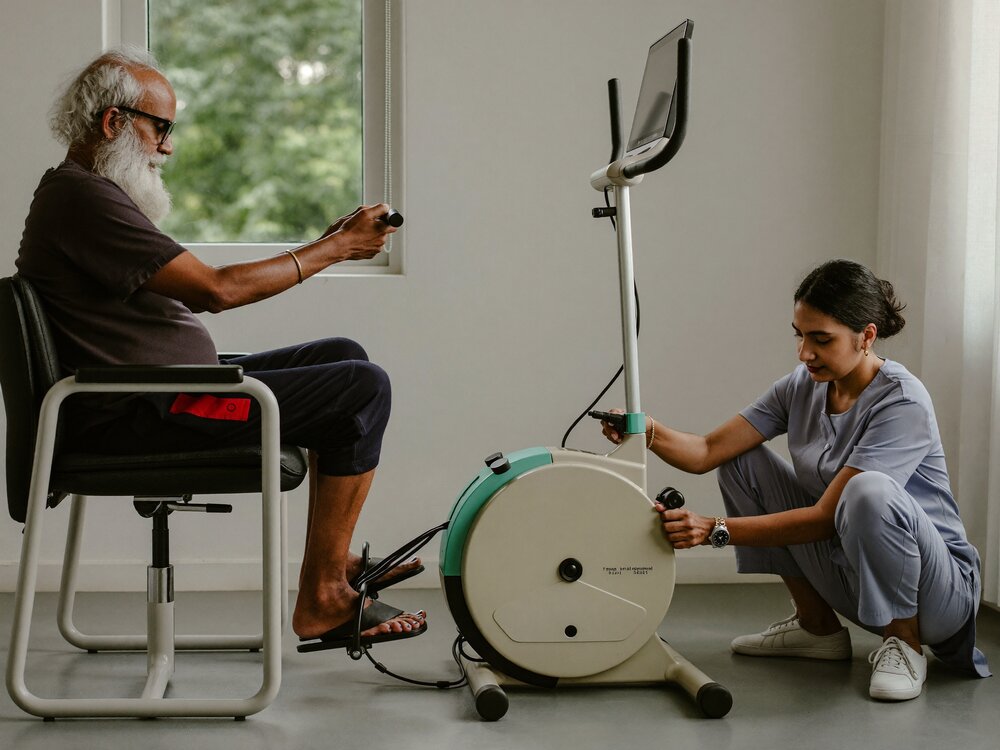
Leg cycle exercise means pedalling a stationary cycle, either a full exercise bike or a compact pedal unit that sits in front of a chair or at the end of a bed. It is one of the safest and most effective ways to rebuild leg strength, joint mobility, and stamina after surgery, stroke, or a long period of bed rest. Because the seat carries your body weight, the knees and hips move freely without impact, which is exactly what healing joints and weak muscles need. Here is how it works, how to start safely, and who benefits most.
Active, assisted, and passive cycling
Rehabilitation leg cycles work in three modes, which is what makes them so adaptable:
- Active: you pedal under your own power against adjustable resistance, building strength and endurance.
- Active-assisted: a motor helps complete each rotation when your muscles tire or one leg is weaker, common after a stroke.
- Passive: the motor moves your legs entirely, keeping joints supple and blood flowing for patients who cannot yet pedal themselves.
A patient can progress from passive to assisted to fully active cycling on the same machine as strength returns, which makes the leg cycle a rare piece of equipment that is useful from the first week of rehabilitation to the last.
The benefits of leg cycle exercise
- Strength without strain. Pedalling works the quadriceps, hamstrings, glutes, and calves together while the seat protects the joints, ideal alongside targeted knee joint strength exercises.
- Mobile, supple joints. The smooth circular motion moves the knee and hip through a large range, preventing the stiffness that follows surgery and bed rest.
- Better circulation. Rhythmic muscle contractions pump blood back toward the heart, reducing swelling in the lower legs and supporting healing, which matters especially for older adults and people with diabetes.
- Heart and lung fitness. Sustained pedalling rebuilds the stamina that illness strips away, so daily activities stop feeling exhausting.
- Retraining after stroke. The repetitive, symmetrical pattern helps restore coordination between the two legs, a core part of physiotherapy after stroke.
- Confidence. Progress is visible, minutes, distance, resistance, which keeps motivation high through a long recovery.
How to start safely: a simple routine
If you or a family member are beginning at home with a pedal exerciser, this is the progression our physiotherapists teach:
- Set up properly. Sit on a firm chair with a backrest, feet strapped in, knee slightly bent (about 10 to 15 degrees) at the pedal's furthest point. Too much bend stresses the kneecap.
- Start small. Five minutes of easy pedalling, twice a day, with no resistance. Smooth circles, upright posture, normal breathing.
- Add time before resistance. Increase by two to three minutes every few days until you reach 15 to 20 minutes per session, then add light resistance gradually.
- Use the talk test. You should be able to hold a conversation while pedalling. If you are gasping, ease off.
- Be consistent. Five days a week beats occasional long sessions. Most people feel a clear difference in stamina and steadiness within three to four weeks.
Who benefits most
- Stroke survivors, using assisted modes to retrain rhythm and rebuild the weak side.
- Patients after knee or hip surgery, restoring motion and strength without loading the new joint.
- Older adults, who need safe daily movement that does not risk a fall.
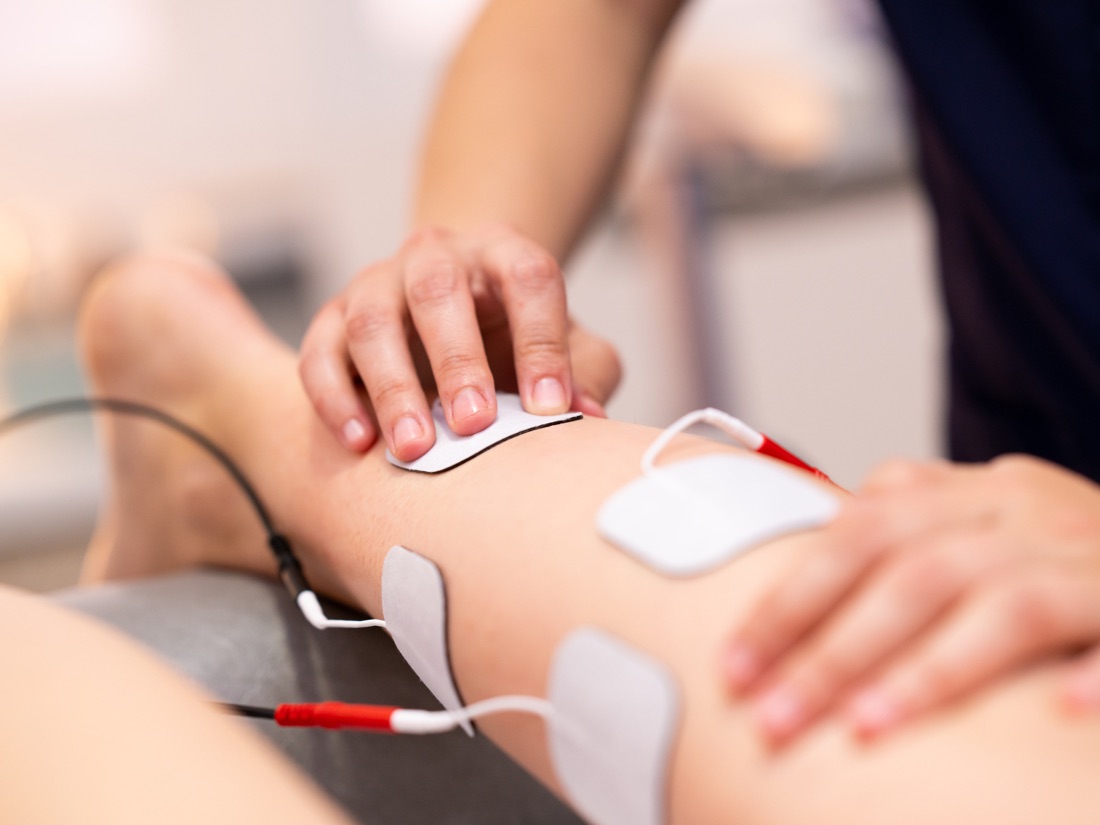
- Anyone recovering from long bed rest, where even standing is tiring; pedalling rebuilds the base that walking practice needs. In severe weakness, therapists may pair cycling with an NMES machine to activate the muscles first.
When to stop and check
Leg cycling is gentle, but stop the session and seek advice if you notice chest pain or pressure, unusual breathlessness, dizziness, sharp joint pain rather than muscle effort, or new swelling and warmth in one calf. After recent surgery, follow your surgeon's guidance on when cycling may begin.
How Relive can help
At Relive Medical Rehab Center in Vijayawada, motorised leg cycles are part of daily inpatient therapy. Our physiotherapists match the mode and dose to each patient, progress it week by week, and combine it with a full programme of therapeutic exercise. Explore our physiotherapy services, message us on WhatsApp, or get in touch to plan a recovery programme.
Frequently asked questions
Is leg cycling as good as walking?
They complement each other. Cycling builds strength, joint mobility, and stamina without impact or fall risk, which makes it the safer starting point. Walking adds balance and bone loading. Most rehabilitation programmes use cycling first, then build walking on that base.
Can elderly people use a pedal exerciser every day?
Yes. Daily gentle pedalling is safe for most older adults and is one of the best low-risk ways to maintain leg strength and circulation. Start with short, easy sessions and increase gradually, and check with a doctor first if there is heart disease or recent surgery.
Does leg cycling strengthen knees?
Yes. It strengthens the muscles around the knee while the seat carries your weight, so the joint is worked without being pounded. For knee arthritis it is one of the most commonly prescribed exercises, alongside specific strengthening moves.
Is passive leg cycling worth anything?
Yes, for the right patient. When someone cannot pedal on their own, motor-driven movement keeps joints supple, reduces stiffness and swelling, and prepares the legs for active work. Its value is as a bridge: the goal is always to progress toward active pedalling.