Nine simple knee joint strength exercises you can do at home, with step-by-step instructions from the physiotherapists at Relive Medical Rehab Center, Vijayawada.
Weak or painful knees change the way you live. Climbing stairs, sitting cross-legged on the floor, kneeling for prayer, getting on and off a two-wheeler: everyday movements start to feel risky. The good news is that the knee responds remarkably well to the right training. Below are nine knee joint strength exercises our physiotherapists prescribe every week, with clear steps so you can practise them safely at home.
Why knee strength matters
The knee is the largest joint in the body and carries several times your body weight with every step. It relies on the muscles around it, the quadriceps at the front, the hamstrings behind, the glutes and calves above and below, to hold it steady. When those muscles weaken through age, arthritis, injury, or long periods of rest, the joint takes load it was never meant to absorb on its own. The result is pain, swelling, instability, and a rising risk of falls.
Strengthening those muscles does the opposite. It cushions the joint, improves balance, eases arthritic ache, and keeps you independent. Research consistently shows that structured exercise is one of the most effective treatments for knee osteoarthritis, often more effective than rest.
Before you begin
- Move slowly and stay within a comfortable range. Mild effort is good; sharp pain is not.
- Keep discomfort at about 3 out of 10 or lower. If it climbs higher, stop and rest.
- Do the exercises on a firm chair or mat, wearing footwear with good grip, and keep a wall or sturdy table within reach for balance.
- If you have had recent knee surgery or a significant injury, get a physiotherapist's go-ahead first.
9 knee joint strength exercises
Work through the list in order. The early moves are gentle activation exercises; the later ones build real strength. Together they cover the four muscle groups a stable knee depends on.
1. Quad sets
Sit or lie with your leg straight. Tighten the muscle on the front of your thigh, pressing the back of the knee gently down, and hold for 5 seconds. Repeat 10 to 12 times per leg. This wakes up the quadriceps without bending the joint at all, which makes it the safest starting point for a sore knee.
2. Straight-leg raise
Lie on your back with one knee bent and the other leg straight. Tighten the straight leg's thigh and lift it to the height of the opposite knee, then lower slowly. Do 10 to 12 lifts per side. This strengthens the quadriceps while the knee stays protected.
3. Glute bridge
Lie on your back, knees bent, feet flat and hip-width apart. Squeeze your buttocks and lift your hips until your body forms a straight line from shoulders to knees. Hold for 3 seconds, lower with control, and repeat 10 to 12 times. Strong glutes stop the knee from collapsing inward when you walk or climb.
4. Standing hamstring curl
Hold the back of a chair. Bend one knee, bringing your heel toward your buttock as far as is comfortable, then lower slowly. Do 10 to 12 curls per leg. The hamstrings share the load with the quadriceps and protect the ligaments inside the joint.
5. Sit-to-stand
Sit on a firm chair with your feet flat. Cross your arms, lean slightly forward, and stand up without using your hands, then sit back down slowly over 3 seconds. Repeat 8 to 12 times. This is the single most practical knee exercise there is, because it trains the exact movement you use dozens of times a day.
6. Wall sit
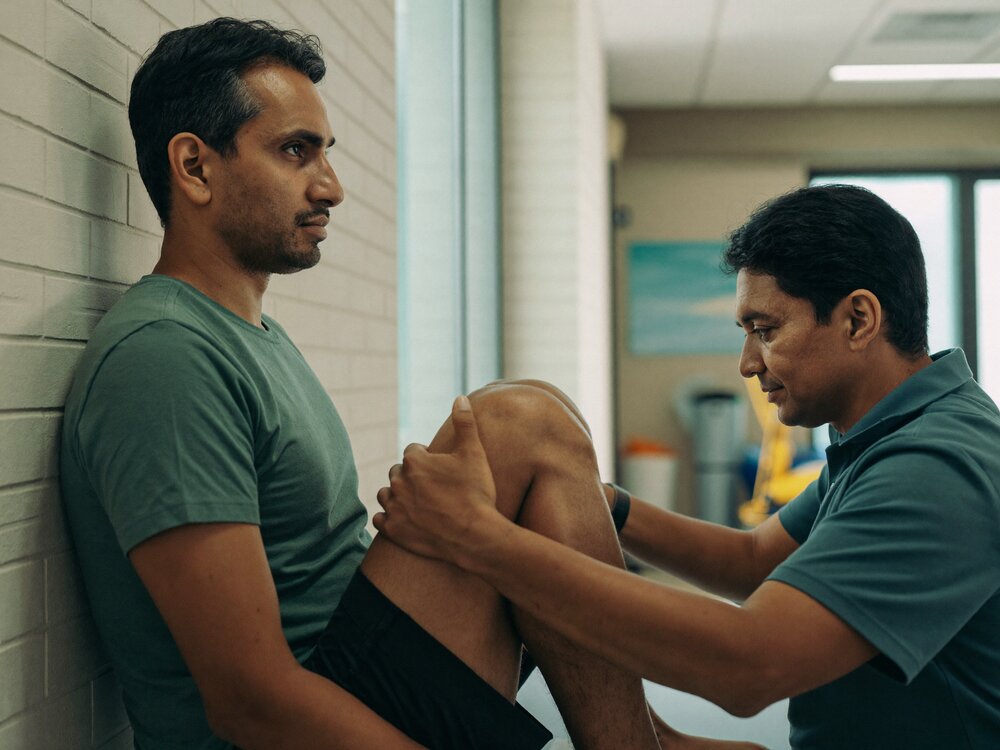
Stand with your back against a wall and slide down until your knees are bent to about 45 degrees, as if perching on a high stool. Hold for 10 to 20 seconds, rest, and repeat 3 to 5 times. Keep your knees behind your toes. This builds endurance in the quadriceps, the kind of strength stairs demand.
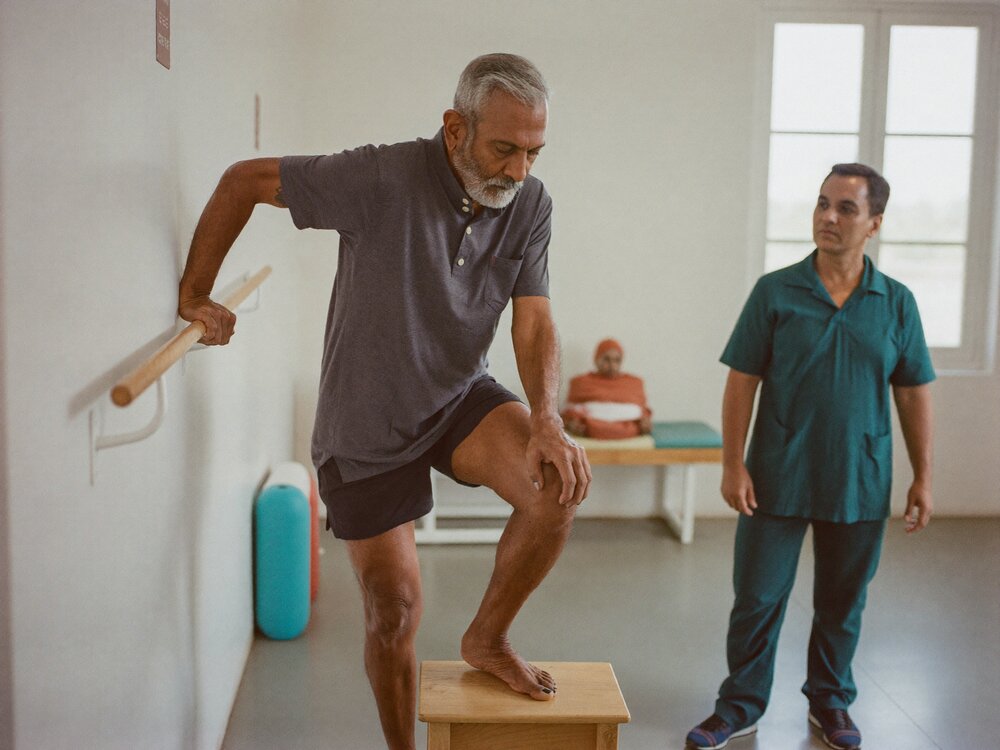
7. Step-ups
Use the bottom step of a staircase. Step up with one foot, bring the other up beside it, then step down with control. Do 10 per leg, holding the rail if you need it. Step-ups translate directly into confident stair climbing and getting on and off buses and autos.
8. Calf raises
Stand tall holding a chair or wall. Rise onto the balls of your feet, pause, and lower slowly. Repeat 12 to 15 times. The calves absorb shock before it reaches the knee, so stronger calves mean a quieter joint.
9. Side-lying leg lift
Lie on your side with legs straight and stacked. Lift the top leg to about 45 degrees, keeping it in line with your body, then lower slowly. Do 10 to 12 lifts per side. This targets the hip muscles that keep your knee tracking straight when you walk.
How often should you do them?
Aim for one round of the full set, once a day, five days a week. Strength builds gradually: most people feel steadier on stairs within two to three weeks and notice clearly less pain by six to eight weeks. As the exercises become easy, add repetitions before you add intensity. If a session leaves your knee swollen or aching the next morning, drop back a level for a few days rather than stopping altogether. A structured plan like this is a core part of therapeutic exercise, and pedalling a stationary cycle, covered in our guide to leg cycle exercise, is an excellent low-impact companion on rest days.
When to see a physiotherapist
Home exercise settles most everyday knee trouble, but some signs mean the knee should be assessed before you push on:
- Pain that has lasted more than two weeks despite regular exercise.
- A knee that locks, clicks painfully, or gives way under you.
- Marked swelling, warmth, or redness around the joint.
- Pain that began with a twist, fall, or road accident.
- Night pain that disturbs your sleep.
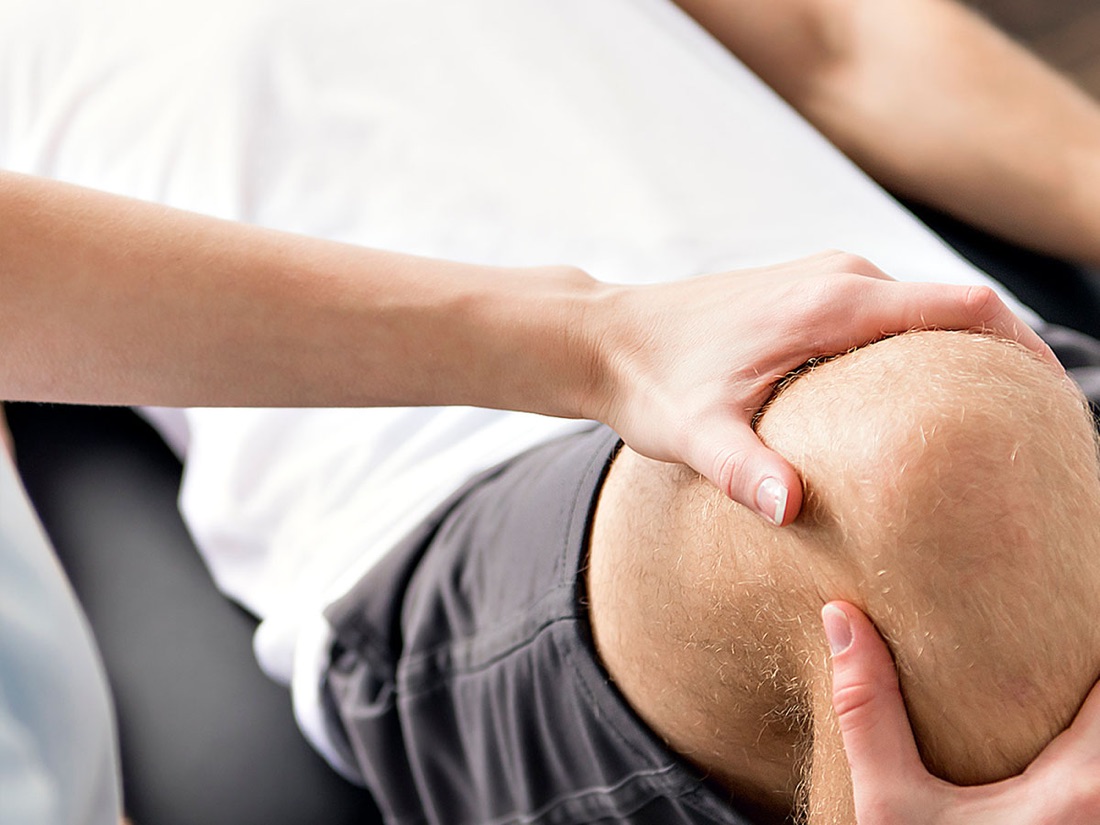
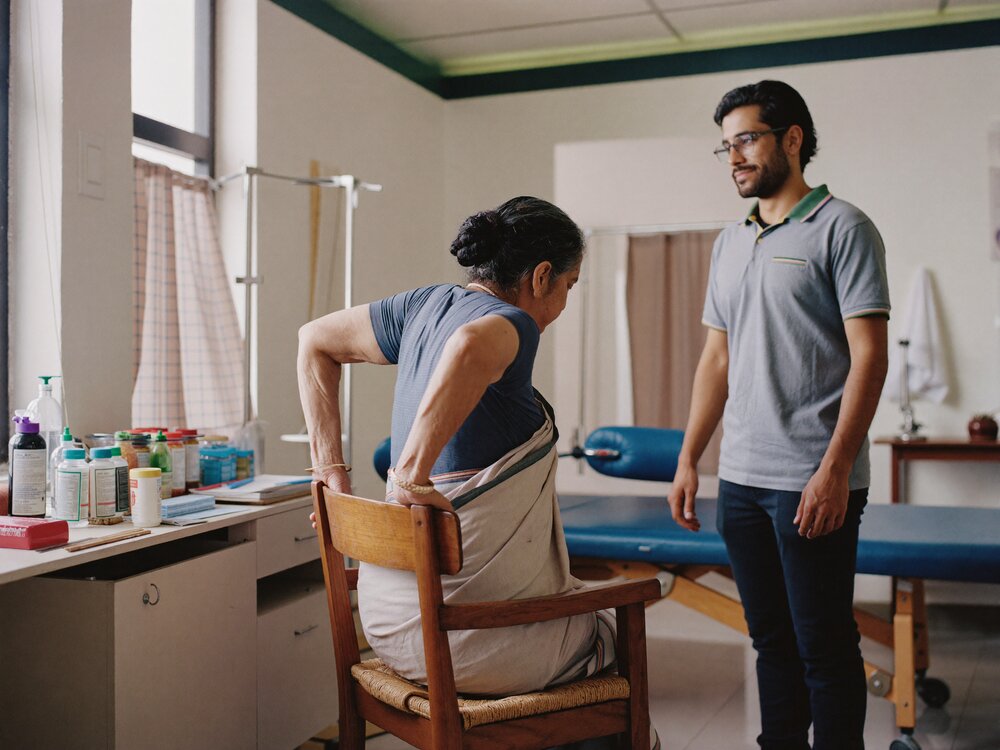
A physiotherapist can identify whether the problem is muscular weakness, arthritis, a ligament or meniscus issue, or something referred from the hip or spine, and build a programme that fits the actual cause.
How Relive can help
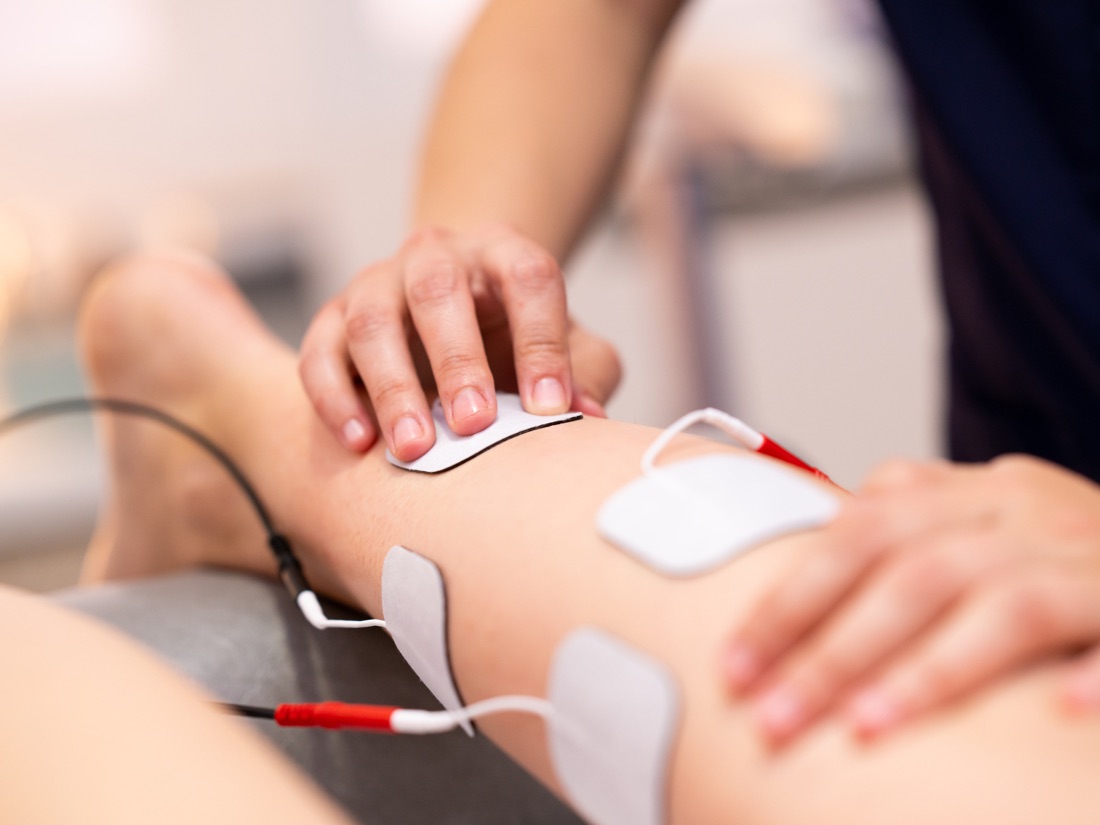
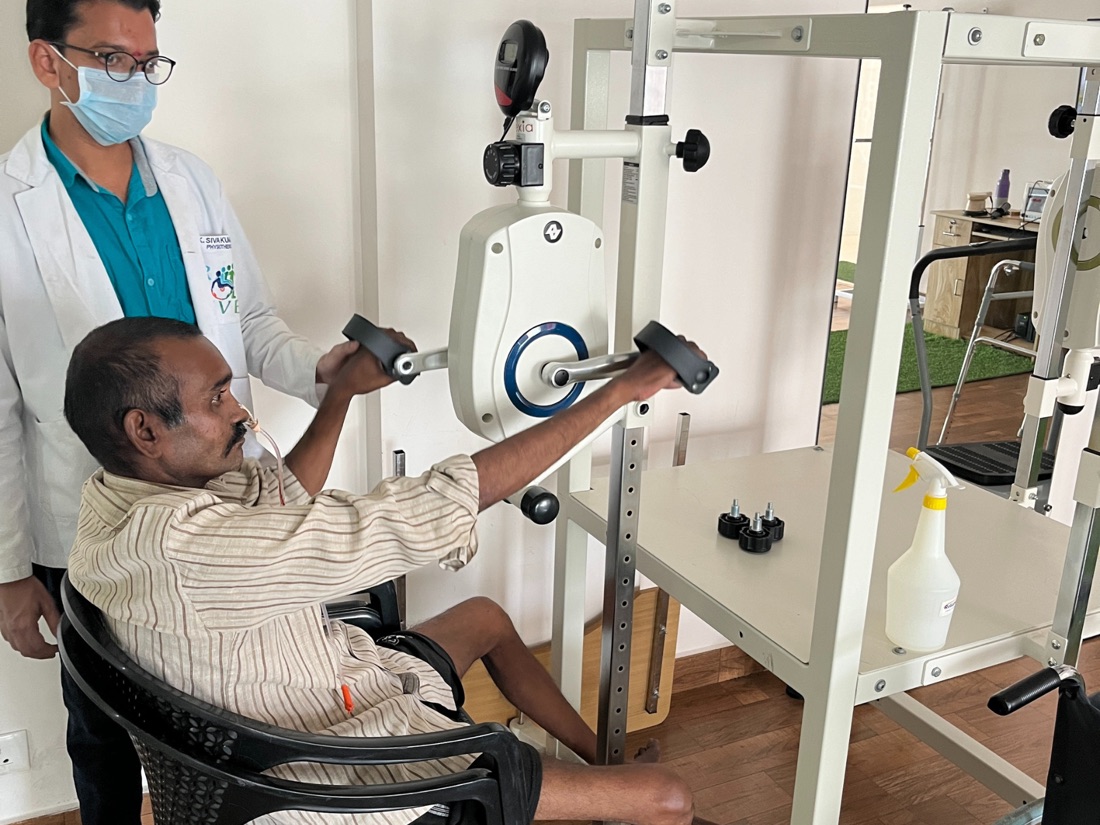
At Relive Medical Rehab Center in Vijayawada, knee rehabilitation is daily work. Our physiotherapists assess your strength, gait, and balance, then build a supervised programme that combines targeted exercises with hands-on treatment and equipment-assisted training where it helps. Explore our physiotherapy services, or see why patients across Andhra Pradesh choose our physiotherapy clinic in Vijayawada.
To get started, message us on WhatsApp or get in touch, and we will take it from there.
Frequently asked questions
Which exercise is best for strengthening the knee joint?
No single move does everything, but the sit-to-stand is the most useful starting point because it strengthens the quadriceps and glutes in the exact pattern you use all day. Pair it with straight-leg raises and hamstring curls for balanced strength.
Can I do knee strengthening exercises with arthritis?
Yes. Exercise is one of the most strongly recommended treatments for knee osteoarthritis. Start with the gentler moves, quad sets and straight-leg raises, and progress gradually. Some ache during exercise is normal; sharp or worsening pain is the signal to ease off.
How long does it take to strengthen weak knees?
Most people notice steadier, more confident movement within two to three weeks of regular practice, with a clear reduction in pain by six to eight weeks. Lasting strength takes around three months of consistency.
Should I exercise a knee that is swollen?
A mildly stiff or achy knee usually benefits from gentle movement. A knee that is visibly swollen, warm, or painful at rest should be assessed first, since exercise at the wrong time can aggravate an inflamed joint.