Discover the key differences between sports injury rehabilitation and regular physical therapy.
When dealing with injuries or physical limitations, many individuals seek professional treatment to regain mobility and strength. However, a common question arises: What is the difference between sports injury rehabilitation and regular physical therapy? While both involve restoring movement and function, their approaches, target audiences, and techniques differ significantly.
Understanding these distinctions is crucial for athletes, active individuals, and even non-athletes recovering from injuries. In this article, we will explore the core differences, benefits, and how to choose the right approach for your recovery needs.
Understanding Sports Injury Rehabilitation
Sports injury rehabilitation is a specialised form of physical therapy that focuses on treating and preventing injuries related to sports and exercise. It is tailored to athletes and active individuals who require a higher level of performance restoration beyond basic recovery.
Key Features of Sports Injury Rehabilitation:
Performance-Based Recovery: Unlike general physical therapy, sports rehab aims to restore peak athletic function, rather than just daily mobility.
Injury-Specific Treatment: Addresses common sports-related injuries such as ligament tears, muscle strains, fractures, and concussions.
Sports-Specific Movements: Focuses on strengthening the muscles and joints used in the athlete’s sport, ensuring a smooth transition back to play.
Advanced Techniques: Utilises cutting-edge modalities such as cryotherapy, hydrotherapy, biomechanical analysis, and dynamic strength training.
Prevention Strategies: Includes exercises and training programmes that reduce the risk of re-injury.
Who Needs Sports Injury Rehabilitation?
- Professional and amateur athletes recovering from sports-related injuries.
- Individuals with overuse injuries from repetitive movements in sports.
- Those looking to improve sports performance and prevent future injuries.
Understanding Regular Physical Therapy
Regular physical therapy, often referred to as physiotherapy, focuses on restoring movement and function for individuals recovering from injury, surgery, or medical conditions. It caters to a broader audience, including non-athletes, elderly individuals, and those with chronic pain conditions.
Key Features of Regular Physical Therapy:
Generalised Recovery: Aims to help patients regain basic movement and independence.
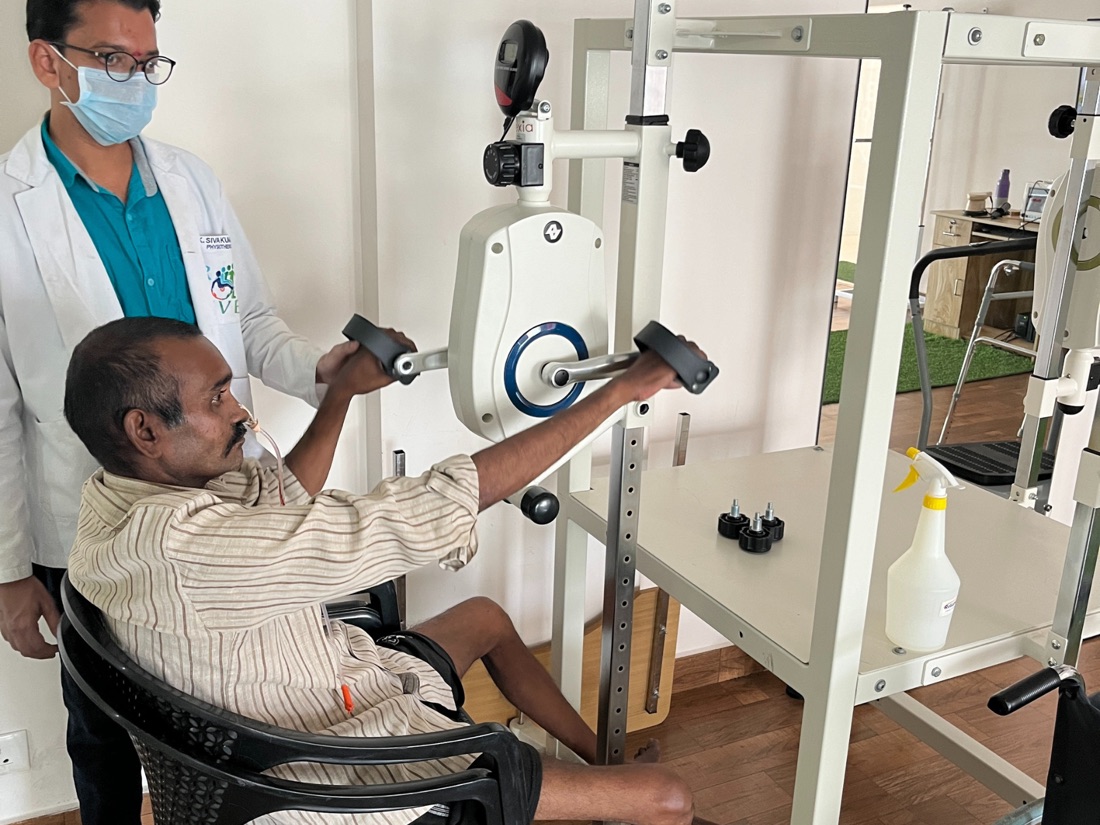
Condition-Based Approach: Treats a wide range of conditions, from post-surgical recovery to neurological disorders like stroke rehabilitation.
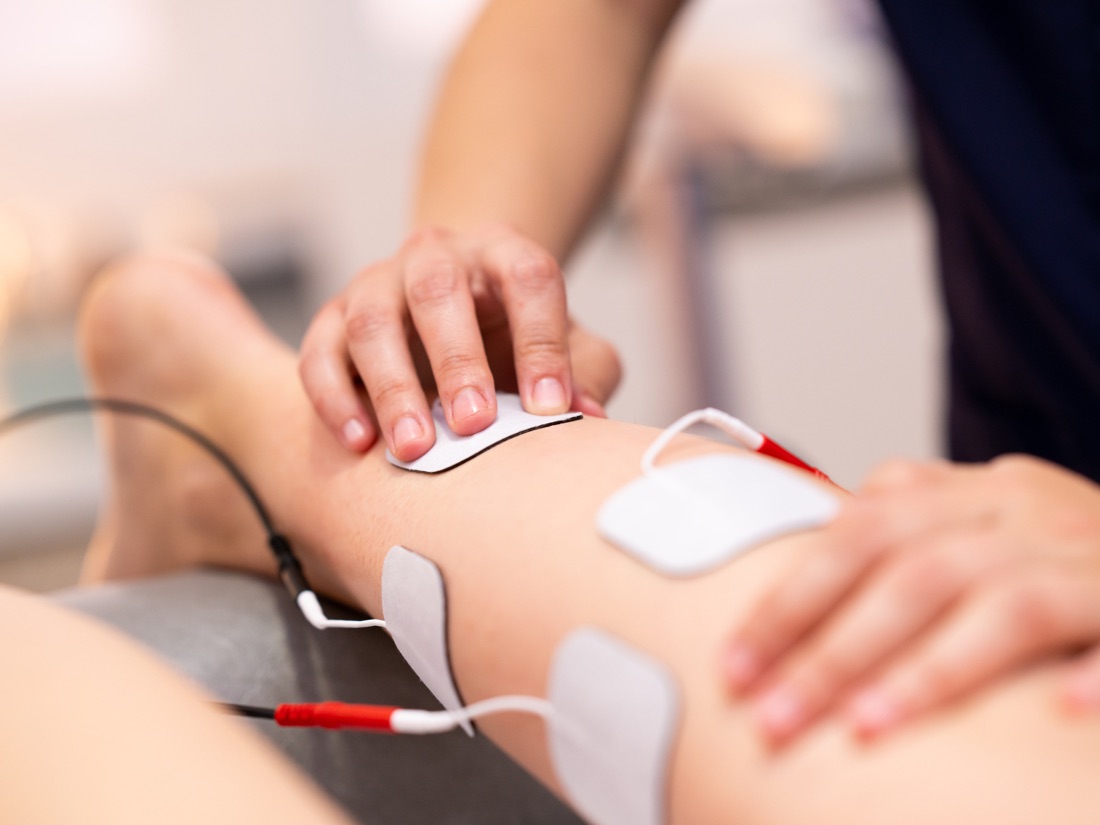
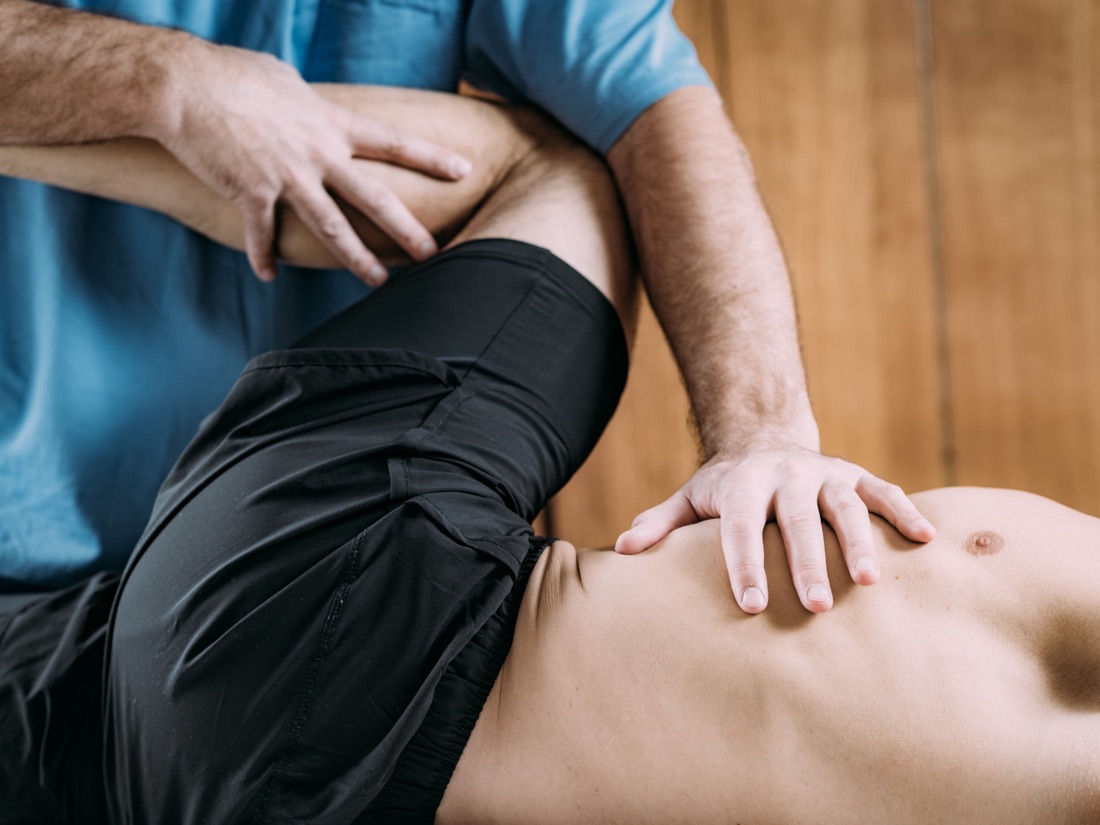
Pain Management: Incorporates techniques such as manual therapy, ultrasound therapy, and electrotherapy to alleviate pain.
Mobility Improvement: Focuses on enhancing daily function, such as walking, bending, and lifting.
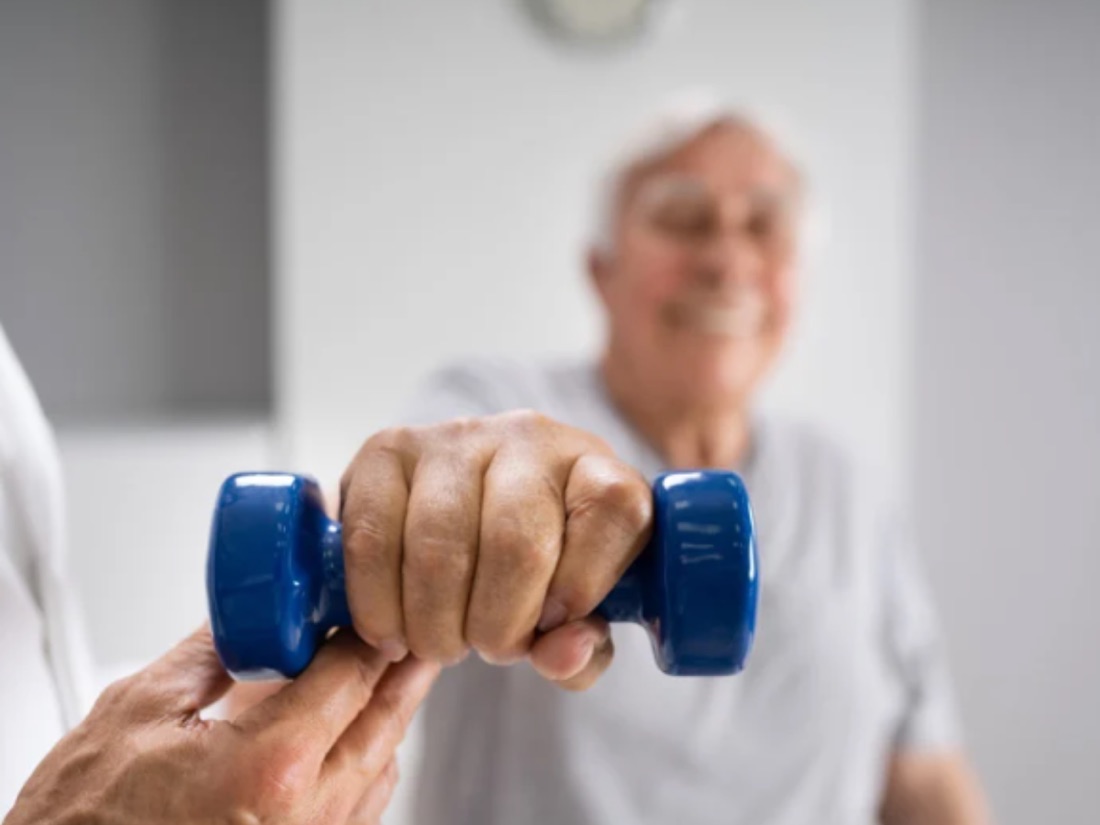
Strength and Flexibility Training: Helps individuals maintain long-term musculoskeletal health.
Who Needs Regular Physical Therapy?
- Individuals recovering from injuries, surgeries, or medical conditions.
- Patients suffering from chronic pain such as arthritis or lower back pain.
- Elderly individuals needing mobility support and fall prevention strategies.
Key Differences Between Sports Rehab and Regular Physiotherapy
Choosing the Right Approach for Your Recovery
Selecting between sports injury rehabilitation and regular physical therapy depends on your recovery goals and lifestyle.
- If you are an athlete or engage in high-intensity physical activity, sports rehab is your best option to ensure a safe return to peak performance.
- If you are recovering from surgery, a medical condition, or dealing with chronic pain, regular physical therapy will provide the necessary support for a pain-free daily life.
Consulting with a qualified physiotherapist can help you determine the most suitable treatment based on your specific needs.
Frequently Asked Questions (FAQs)
1. Can regular physical therapy treat sports injuries?
Yes, but regular physical therapy focuses more on pain relief and restoring basic mobility, while sports injury rehabilitation ensures full athletic recovery and performance restoration.
2. How long does sports injury rehabilitation take?
Recovery times vary based on the severity of the injury. Minor injuries may take weeks, whereas ACL tears or fractures can require several months.
3. Is sports rehabilitation only for professional athletes?
No. Anyone engaging in sports or physical activities can benefit from sports rehab, including fitness enthusiasts and amateur athletes.
4. What treatments are included in sports injury rehabilitation?
Sports rehab may include strength training, biomechanical assessments, hydrotherapy, and sport-specific drills.
5. How do I know if I need sports rehabilitation or regular physiotherapy?
If your goal is to return to a specific sport or physical activity, choose sports rehab. If you need general recovery for daily movements or pain relief, regular physiotherapy is the better choice.
Move Forward on Your Path to Recovery
Understanding the differences between sports injury rehabilitation and regular physical therapy can help you make an informed decision about your recovery path. Whether you are an athlete looking to get back in the game or someone seeking pain relief and mobility improvement, choosing the right rehabilitation service is essential.
At Relive Medical Rehab, we offer specialised rehabilitation services to help you regain strength, prevent injuries, and enhance performance.
📞Contact us today to book an appointment!
🌐 Visit our website: /