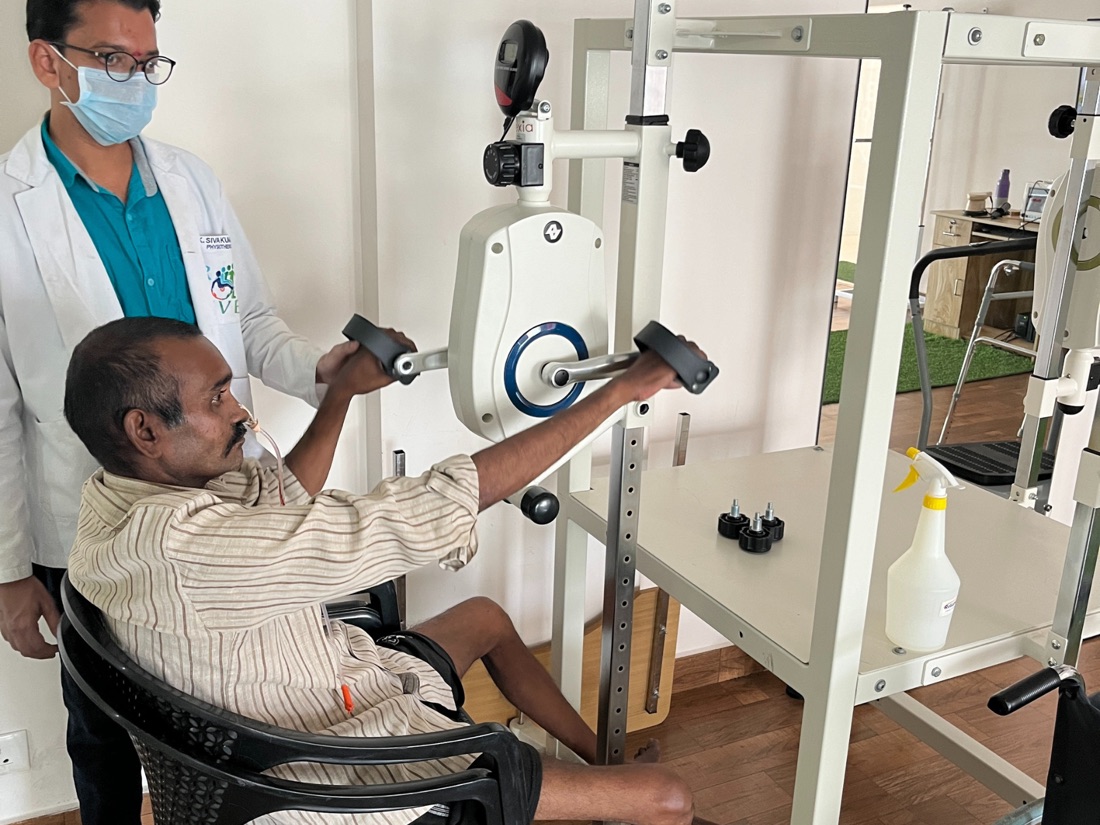
Discover the truth behind common physical therapy myths. Learn how physiotherapy can help with overall well-being.
Physical therapy is a cornerstone of rehabilitation and injury prevention, yet despite its proven effectiveness, there are many misconceptions surrounding this field. These myths often discourage people from seeking help when they need it most, or lead to misunderstandings about the scope and benefits of physiotherapy.
In this blog, we aim to debunk some of the most common physical therapy myths, clearing up confusion and empowering individuals to take control of their health.
Myth 1: “Physical Therapy Is Only for Injuries”
One of the biggest myths about physical therapy is that it’s only useful for those who have sustained an injury. While it’s true that physiotherapy plays a crucial role in rehabilitation, it’s also essential for preventing injuries, managing chronic pain, improving mobility, and enhancing overall physical function.
In fact, physical therapy is often prescribed to patients before surgery as a means of strengthening muscles, improving flexibility, and increasing mobility. By focusing on injury prevention and strengthening the body, physical therapists help reduce the risk of future injuries. It’s not just about recovery—it’s about optimizing performance and maintaining well-being.
Myth 2: “Physiotherapists Only Focus on Muscles and Joints”
Another misconception is that physical therapists only work on muscles and joints. While physiotherapists are indeed experts in musculoskeletal issues, they also address a range of conditions that go beyond muscles and joints.
For example, physiotherapists can help with neurological disorders like stroke, multiple sclerosis, and Parkinson’s disease, as well as respiratory conditions such as chronic obstructive pulmonary disease (COPD). They also play a significant role in managing pelvic health issues, such as incontinence and post-natal recovery.
Thus, the scope of physiotherapy extends far beyond what most people realise, and it encompasses a variety of conditions that impact overall well-being.
Myth 3: “Physical Therapy Is Painful and Uncomfortable”
Many people shy away from physical therapy because they fear that it will be painful. While it’s true that some discomfort can arise, especially when rehabilitating a serious injury, physical therapy should not be excessively painful. In fact, a good physical therapist will work with you to ensure that the exercises and treatments are tailored to your level of comfort and progress.
Therapists use a variety of techniques, including gentle mobilisations, manual therapy, and modalities like heat and cold, to help alleviate pain and improve function. They’ll also monitor your progress and adjust the treatment plan as needed to ensure you’re never pushed beyond your limits.
Myth 4: “Physical Therapy Is Only for Older Adults”
Another prevalent myth is that physical therapy is only for older individuals. While physical therapy is particularly helpful for seniors, as it aids in managing age-related conditions such as arthritis, osteoporosis, and balance issues, people of all ages can benefit from physiotherapy.
Children, athletes, office workers, and anyone experiencing mobility restrictions or pain can benefit from physical therapy. Whether you’re dealing with sports injuries, repetitive strain from sitting too long at a desk, or simply trying to improve your posture, physiotherapy can help people of all ages and activity levels maintain or regain optimal function.
Myth 5: “You Have to Be Referred by a Doctor to See a Physiotherapist”
Many people believe that they need a doctor’s referral to see a physiotherapist, but this is not always the case. In some countries, including India, direct access to physiotherapy services is allowed, meaning that patients can make appointments with a physiotherapist without the need for a physician’s referral.
However, it’s still a good idea to consult your GP if you have any underlying medical conditions that need to be considered when starting physiotherapy. A doctor may refer you to a specialist physiotherapist if your condition requires more advanced or targeted care, but there’s no need to wait for a referral to take the first step toward feeling better.
Myth 6: “Physical Therapy Is Only for Recovery after Surgery”
While physical therapy is a vital part of post-surgical recovery, it’s also beneficial in a preventive capacity. Physiotherapy is not only for recovery after surgery but is also essential for maintaining or improving mobility, reducing pain, and preventing injuries before surgery is even necessary.
For example, a person dealing with knee pain from osteoarthritis may benefit from strengthening exercises, manual therapy, and guidance on movement patterns to help avoid the need for surgery altogether. Prehabilitation is gaining popularity in the healthcare world because it helps individuals recover faster and more effectively after surgery.
Myth 7: “All Physiotherapists Provide the Same Treatment”
Not all physiotherapists are the same. Physiotherapists have different areas of expertise, and it’s important to choose one that aligns with your specific needs. Some physiotherapists specialise in musculoskeletal issues, while others focus on neurological or respiratory rehabilitation.
For instance, a physiotherapist with expertise in sports injuries may not be the best choice for someone dealing with chronic respiratory conditions. It’s essential to understand the specific training and qualifications of the physiotherapist before starting treatment to ensure you’re receiving the most appropriate care for your condition.
Myth 8: “Once You Start Physical Therapy, You Have to Keep Going Forever”
Some people worry that once they start physical therapy, they’ll be required to continue indefinitely. In reality, the goal of physiotherapy is to empower you with the knowledge, exercises, and strategies to maintain your health independently.
Most physiotherapy programs are time-limited, and the frequency of visits typically decreases as you progress. Your therapist will work with you to create a personalized treatment plan that outlines short- and long-term goals, and once these goals are achieved, you’ll likely only need occasional check-ins or follow-up sessions.
Myth 9: “Physical Therapy Is Expensive”
Another misconception is that physical therapy is unaffordable. While the cost can vary depending on the location and type of treatment required, physiotherapy is often a cost-effective alternative to surgery or long-term medication use.
Additionally, many health insurance plans cover physical therapy treatments. If you’re concerned about costs, it’s a good idea to check with your insurance provider to see what’s covered under your plan. Moreover, many physiotherapists offer packages or discounts for multiple sessions, which can make the treatment more affordable.
Myth 10: “I Can Do Physical Therapy on My Own with Online Resources”
While there are plenty of online resources offering exercises and tips for physical rehabilitation, it’s essential to remember that physical therapy should be personalised. A trained physiotherapist assesses your condition, develops a treatment plan, and monitors your progress to ensure you’re on the right track.
Self-guided exercises from online videos or articles may not be appropriate for your specific condition, and in some cases, they may even worsen your symptoms. It’s important to work with a professional who understands your unique situation and can guide you through the recovery process.
In conclusion, there are many misconceptions about physical therapy that prevent individuals from seeking the help they need. However, understanding the truth behind these myths is essential for unlocking the full benefits of physiotherapy. Whether you’re recovering from an injury, managing chronic pain, or simply looking to improve your overall physical health, physical therapy is a powerful tool that can help you achieve your goals.
If you’re still unsure about whether physical therapy is right for you, or if you have any questions about how physiotherapy can help with your specific condition, don’t hesitate to contact us. Our team of experienced physiotherapists at Relive Medical Rehab is here to provide expert guidance and personalized treatment plans tailored to your needs.
Take the first step toward a healthier, pain-free life today.
Reach out to Relive Medical Rehab to schedule a consultation and learn how our physical therapy services can support your rehabilitation and wellness goals. Don’t let misconceptions hold you back—experience the transformative benefits of physical therapy with expert care.