A practical guide for NRI and out-of-town families arranging inpatient rehabilitation for a parent in Vijayawada: what to look for, how admission works, and how to stay involved from far away.
The phone call comes at the wrong hour. A parent in Andhra Pradesh has had a stroke, a fall, or major surgery, and you are in another country, or another Indian city, trying to organise their recovery over WhatsApp calls and forwarded scan reports. Thousands of families do this every year. This guide sets out, step by step, how to arrange good inpatient rehabilitation for a parent in Vijayawada from a distance, what to check before choosing a centre, and how to stay properly involved once care begins.
Why inpatient rehabilitation, not just a home nurse
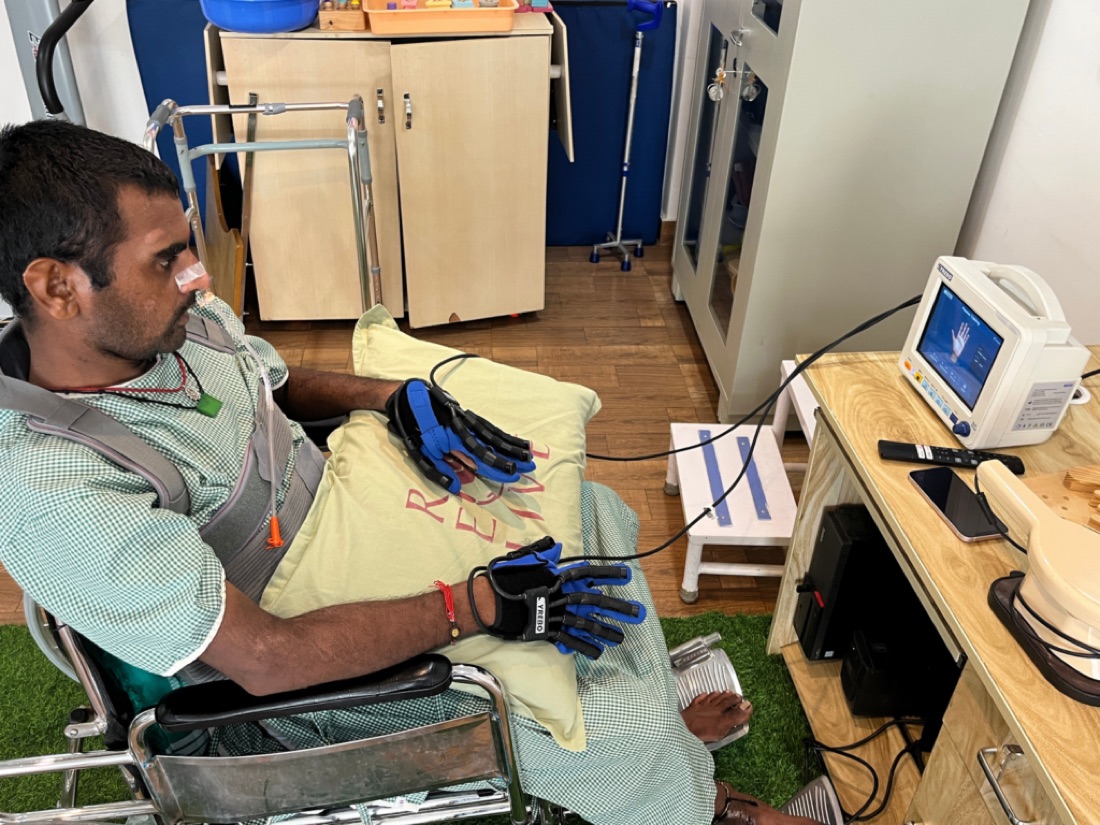
The instinct after a hospital discharge is often to hire a home attendant. For a parent who is medically stable and simply needs help, that can work. But recovery after a stroke, a fracture, or a long ICU stay needs more than supervision. It needs daily, progressive therapy: physiotherapy to rebuild strength and walking, occupational therapy to restore daily tasks, nursing to manage medicines, wounds, and complications. An attendant cannot provide any of that, and the early months are exactly when intensive therapy determines how much function returns. Our guide to home-based versus inpatient stroke rehabilitation walks through the decision in detail, and the principles apply beyond stroke.
What to check before choosing a centre
Whether you are considering Relive or anywhere else, ask every centre the same questions:
- Accreditation. Is the centre NABH accredited? Accreditation means audited standards for safety, hygiene, staffing, and records, not just a good-looking building. You can read about what NABH accreditation involves.
- Medical cover. Is a doctor available on site, and how are emergencies handled? Rehabilitation patients can deteriorate; the plan for that matters.
- Therapy dose. How many minutes of one-to-one therapy per day, and from which disciplines? Daily structured therapy is the whole point of being an inpatient.
- A written plan. Will you receive an assessment with goals and an expected duration, and reviews against it?
- Family communication. Who updates you, how often, and on what channel? For overseas families this is the difference between confidence and anxiety.
- Transparent charges. Ask for the package in writing and exactly what it includes: room, therapy, nursing, consumables, medicines. Surprises here sour everything.
How admission works from abroad: five steps
At Relive Medical Rehab Center, most admissions from overseas families follow the same path:
- 1. First contact on WhatsApp. Message us with the situation in a few lines: what happened, where your parent is now, and what the doctors have said.
- 2. Share the medical records. Discharge summary, recent scans, and current medicines, photographed and sent on the same chat. This is enough for our team to say honestly whether inpatient rehabilitation will help.
- 3. Assessment. We assess your parent, at the hospital before discharge or on arrival at the centre, and agree a written plan and expected duration with you and the family members on the ground.
- 4. Admission and settling in. A relative or friend brings your parent in, completes the paperwork, and shares emergency contacts. You do not need to be physically present for admission.
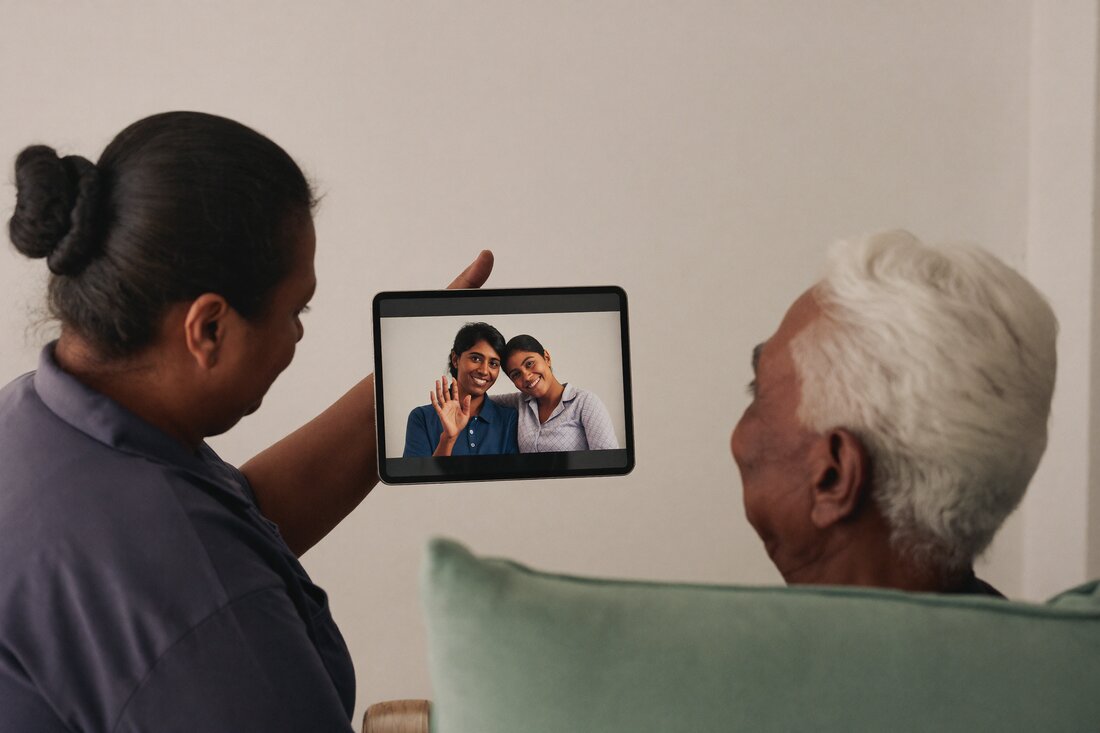
- 5. Regular updates. You receive progress updates and can schedule video calls with your parent and the therapy team, so decisions are made with you, not around you.
Staying involved from far away
Distance does not have to mean detachment. The families who stay most effectively involved do a few simple things: they nominate one family member as the single point of contact so instructions do not conflict; they schedule a fixed weekly video call rather than ad hoc check-ins; and they ask the same three questions each week. What has improved? What is the current goal? What is the plan for discharge? Asking about discharge from week one is not pushy; it keeps everyone focused on the destination, which is a parent back home, doing more for themselves, with a home exercise programme they can actually follow.
Red flags to avoid
Be cautious about any facility that cannot tell you how much therapy happens each day, that has no doctor involvement or written goals, that quotes a price only verbally, or that discourages video calls and visits. A good centre welcomes scrutiny, because scrutiny is easy to welcome when the care is real.
How Relive supports families abroad
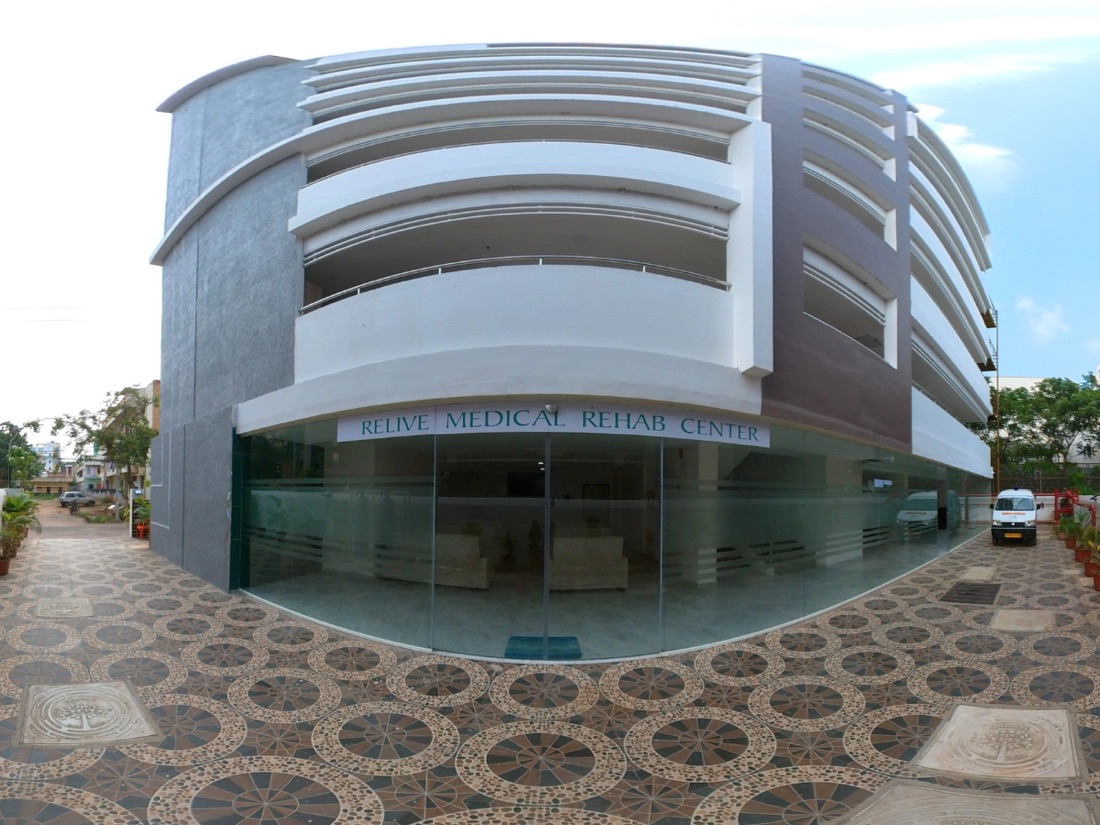
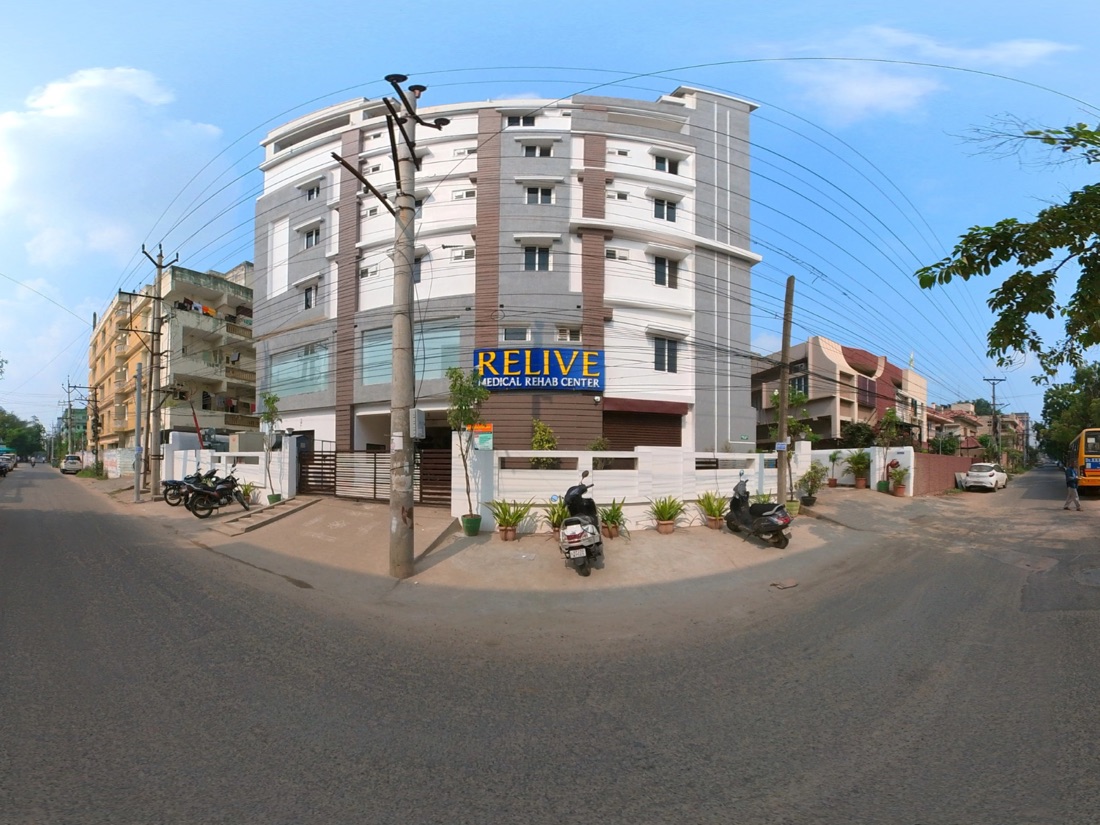
Relive Medical Rehab Center is a NABH-accredited inpatient rehabilitation centre in Vijayawada, and a large share of our admissions are arranged by sons and daughters living outside Andhra Pradesh, from the US, the Gulf, Australia, and across India. Everything is built around that reality: WhatsApp-first communication, records shared digitally, video calls with the care team, and a named contact who knows your parent's case. Our clinical strength is stroke physiotherapy and post-surgical and geriatric rehabilitation. If you are weighing options, our guide to choosing a rehabilitation centre in Vijayawada is a good place to start, or simply message us on WhatsApp and tell us what has happened. We will tell you honestly whether we are the right place, and what to do next either way. You can also get in touch here.
Frequently asked questions
Can we arrange admission without visiting Vijayawada first?
Yes. Most overseas families complete the whole process remotely: records shared on WhatsApp, assessment and plan agreed by phone or video call, and a local relative handling the admission itself. Many families first visit weeks later, once the recovery is underway.
How will we know how our parent is doing?
You will have a named contact at the centre, regular progress updates, and scheduled video calls with your parent and the therapy team. Major decisions about the plan are made with the family, wherever the family happens to be.
How long does inpatient rehabilitation usually take?
It depends on the condition and the goals. Recovery after a fracture or surgery is often measured in weeks; stroke rehabilitation usually spans one to three months of inpatient care, with continued home exercise afterwards. You will be given an expected duration at assessment and updates against it as therapy progresses.
What information should we send first?
Three things: the hospital discharge summary, recent scans or reports, and the current medicine list. Add a short description of what your parent could do before the illness and what they can do now. That is enough for an experienced team to give you a clear first opinion.