Discover the role of physiotherapy in stroke management and how it helps patients regain mobility, strength, and independence. Learn effective rehab strategies at Relive Medical Rehab Center, Vijayawada.
The Role of Physiotherapy in Stroke Management is critical for anyone recovering from a stroke, as it can dramatically affect mobility, coordination, and overall independence. While medical treatment addresses the immediate effects of a stroke, long-term recovery relies heavily on rehabilitation, particularly physiotherapy. Physiotherapy is essential for restoring movement, rebuilding strength, improving balance, and enabling patients to perform daily activities safely.
At Relive Medical Rehab Center in Vijayawada, our specialized team of physiotherapists provides personalized rehabilitation programs for stroke patients, helping them regain function and improve quality of life. In this guide, we explore the role of physiotherapy in stroke management and how structured rehabilitation can make a significant difference in recovery.
Why Physiotherapy is Crucial in Stroke Management
Stroke can lead to weakness, paralysis, loss of coordination, and reduced mobility. Without proper intervention, these complications can worsen, resulting in permanent disability. Physiotherapy addresses these challenges by:
- Improving muscle strength and joint flexibility
- Enhancing coordination and balance
- Preventing secondary complications such as muscle contractures and pressure sores
- Rebuilding confidence and independence
The role of physiotherapy in stroke management is not just limited to physical recovery—it also supports emotional well-being. Patients who engage in consistent physiotherapy often feel more empowered and motivated during their rehabilitation journey.
Early Intervention: Why Timing Matters
Early physiotherapy intervention is critical for optimal recovery. Research shows that starting physiotherapy soon after a stroke improves long-term outcomes, reduces complications, and accelerates functional recovery. Early assessment allows physiotherapists to identify limitations, design tailored exercise programs, and guide patients through safe, progressive rehabilitation.
At Relive Medical Rehab Center, our approach emphasizes early assessment and timely intervention, ensuring that each patient receives a program suited to their condition, age, and lifestyle.
Key Physiotherapy Techniques in Stroke Management
- Range-of-Motion Exercises
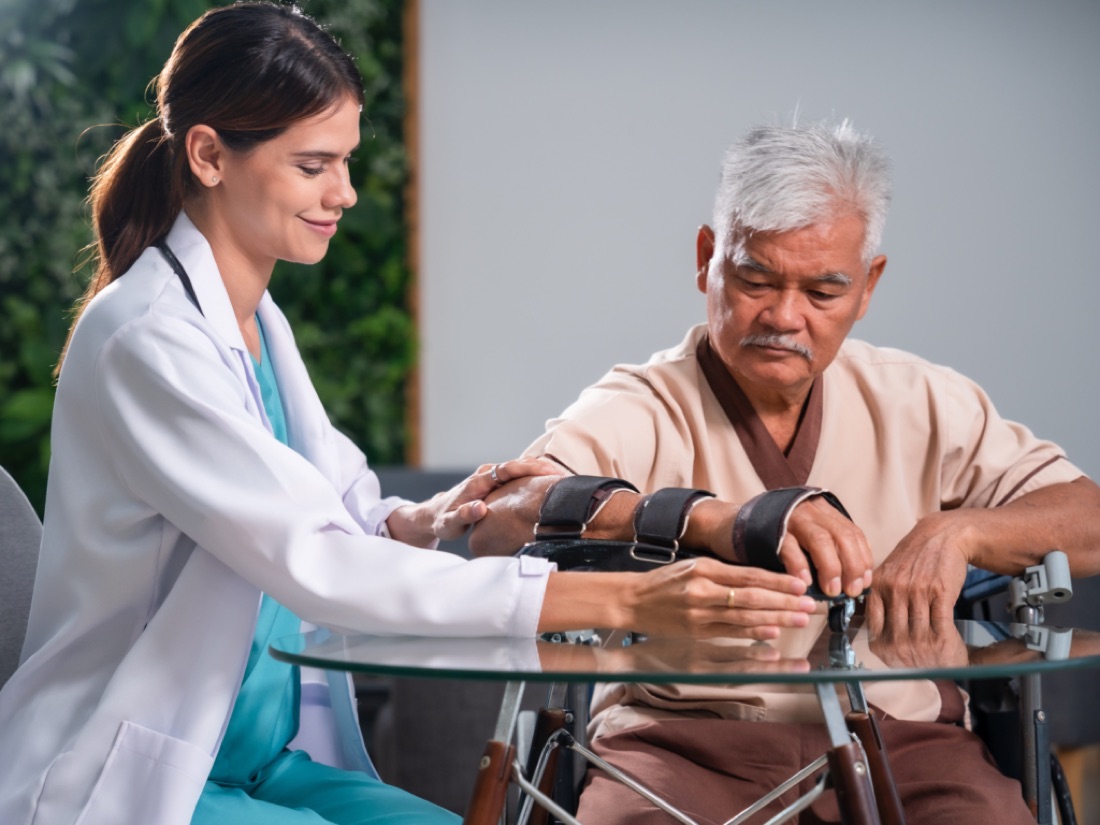
These exercises focus on maintaining flexibility in joints and muscles, reducing stiffness, and preventing contractures. Range-of-motion exercises are especially important in patients with limited mobility or partial paralysis. - Strength Training
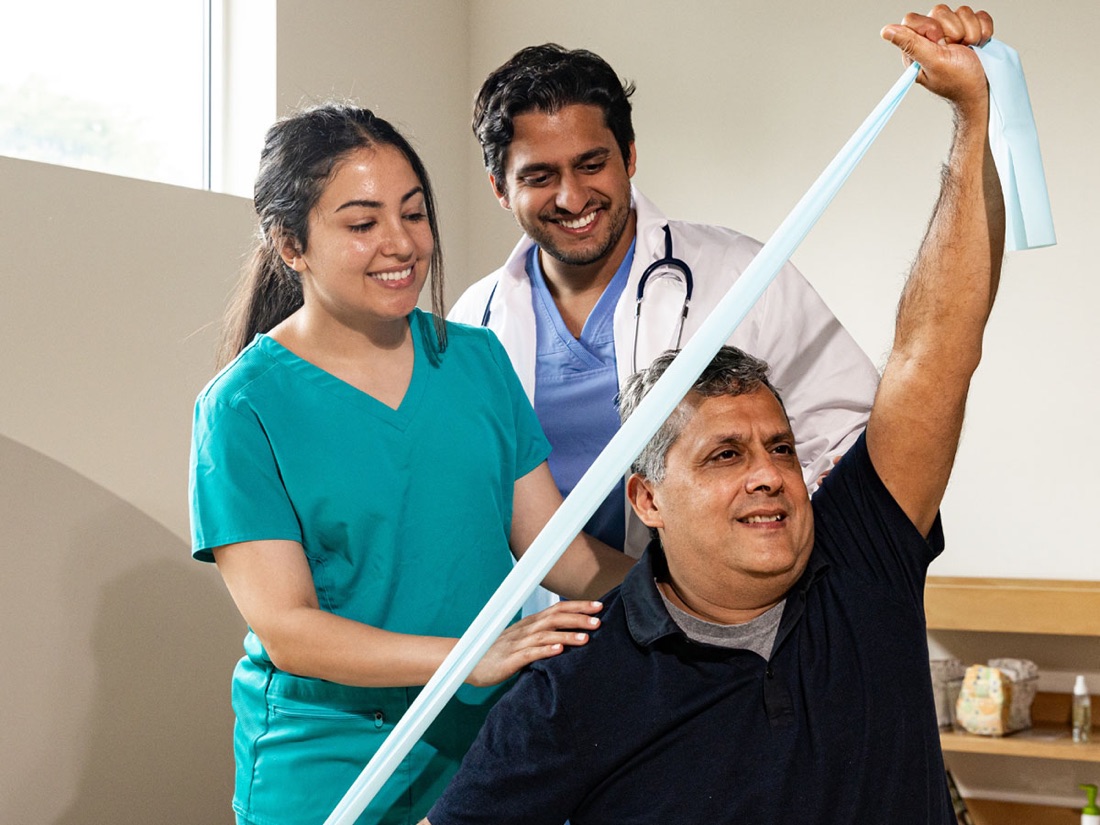
Stroke can weaken muscles, making everyday tasks difficult. Physiotherapists implement targeted strength exercises to rebuild muscle function, allowing patients to walk, lift objects, and regain independence. - Balance and Coordination Exercises
Loss of balance is common after stroke. Balance training helps prevent falls and improves coordination, which is critical for daily activities. Techniques may include weight-shifting exercises, standing on different surfaces, and guided walking drills. - Functional Training
Functional exercises focus on real-life tasks such as dressing, eating, transferring from bed to chair, and climbing stairs. This type of training helps patients regain independence safely under professional supervision. - Gait Training
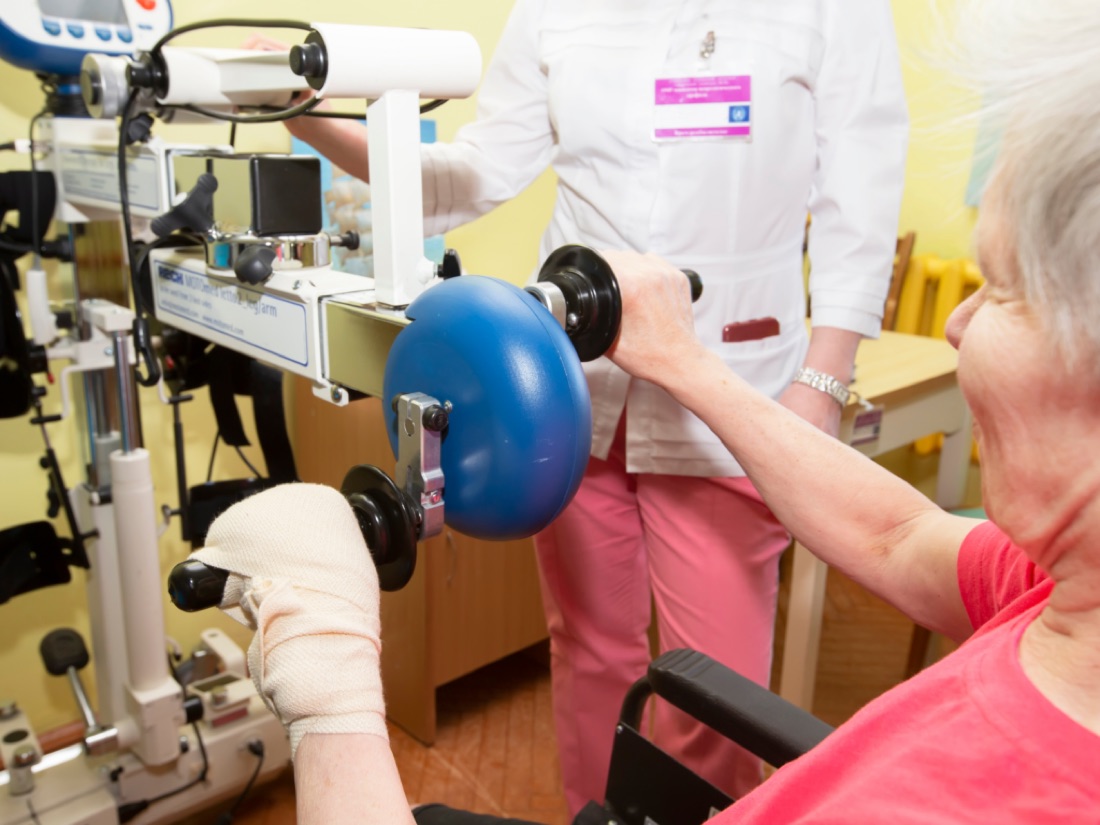
Walking difficulties are common post-stroke. Gait training improves walking patterns, posture, and endurance. Advanced equipment like parallel bars, treadmills, or robotic-assisted devices may be used for support and feedback. - Neuromuscular Re-education
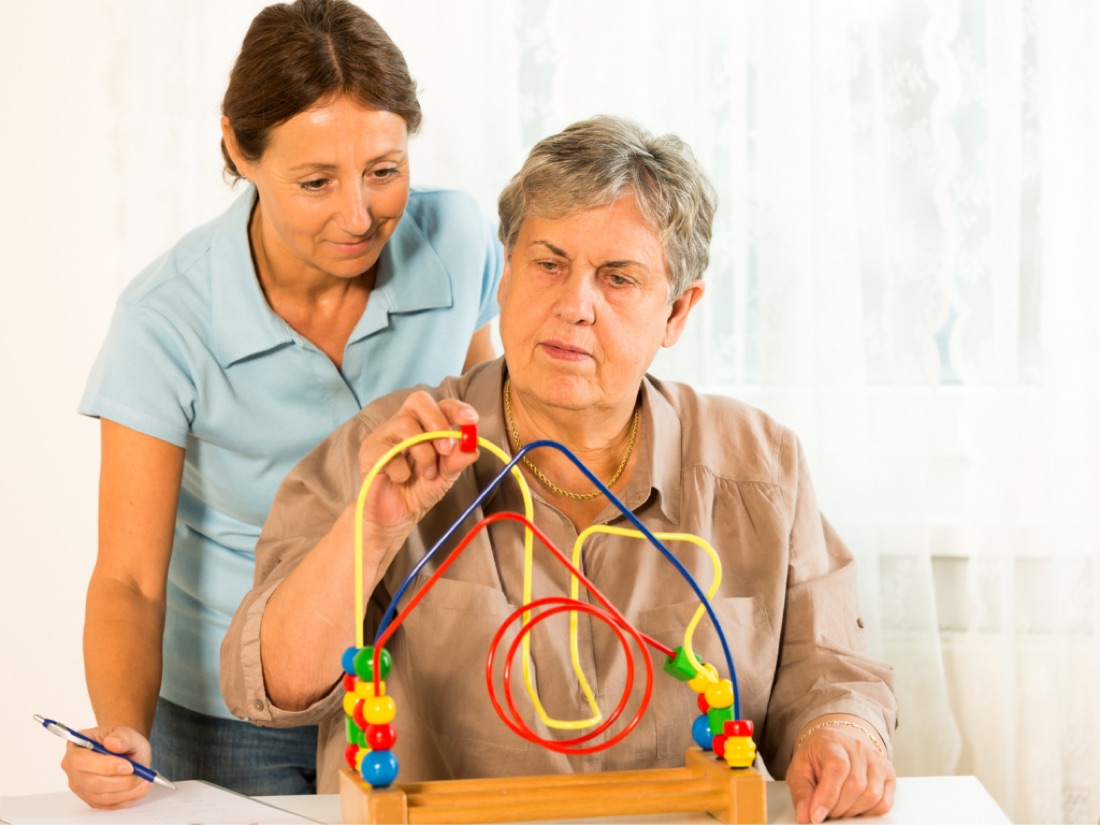
This technique retrains the brain and muscles to work together effectively, improving coordination, reflexes, and overall motor control.
Benefits of Physiotherapy in Stroke Management
The benefits of physiotherapy go beyond physical recovery. Key advantages include:
- Enhanced Mobility: Patients regain movement and flexibility, allowing them to perform daily tasks with ease.
- Improved Strength and Endurance: Targeted exercises restore muscle function and stamina.
- Reduced Risk of Complications: Early intervention prevents stiffness, joint contractures, and secondary injuries.
- Boosted Confidence: Patients regain self-assurance, enabling them to engage in social and personal activities.
- Emotional and Mental Support: Active rehabilitation helps patients combat depression and anxiety often associated with stroke.
At Relive Medical Rehab Center, Vijayawada, therapists closely monitor progress, adjusting programs based on individual improvements to maximize outcomes.
Tips for Maximizing Recovery Through Physiotherapy
- Consistency is Key: Attending regular physiotherapy sessions accelerates recovery and ensures steady progress.
- Home Exercises: Patients are encouraged to continue guided exercises at home to complement in-center therapy.
- Caregiver Involvement: Educating family members helps them support safe rehabilitation practices.
- Set Realistic Goals: Breaking recovery into small milestones keeps patients motivated and engaged.
- Early Intervention: Begin physiotherapy as soon as medically possible to achieve the best results.
Conclusion
Understanding the role of physiotherapy in stroke management is essential for patients, caregivers, and families. Effective rehabilitation restores physical function, improves independence, and enhances overall quality of life.
At Relive Medical Rehab Center in Vijayawada, we provide patient-centered physiotherapy programs tailored to each individual’s needs. Our expert team combines early intervention, structured exercises, and ongoing support to ensure every patient has the best chance at a full recovery.
Contact Relive Medical Rehab Center today to schedule a consultation and start your journey toward recovery.
Follow us on Facebook and Instagramfor tips, exercises, and inspiring patient success stories.