The golden years of one's life are meant to be enjoyed to the fullest. However, the secret to achieving this level of enjoyment rests primarily on one crucial
The golden years of one’s life are meant to be enjoyed to the fullest. However, the secret to achieving this level of enjoyment rests primarily on one crucial aspect — good health. And, one of the most effective ways to champion good health during this phase of life is by staying active, regardless of age. Staying active provides the elderly with the physical endurance that is essential for daily activities and fosters cognitive agility, which promotes overall wellbeing. Geriatric fitness, when appropriately undertaken, can powerfully contribute to a longer, healthier life.
The Physical Benefits: Strength, Balance and Endurance
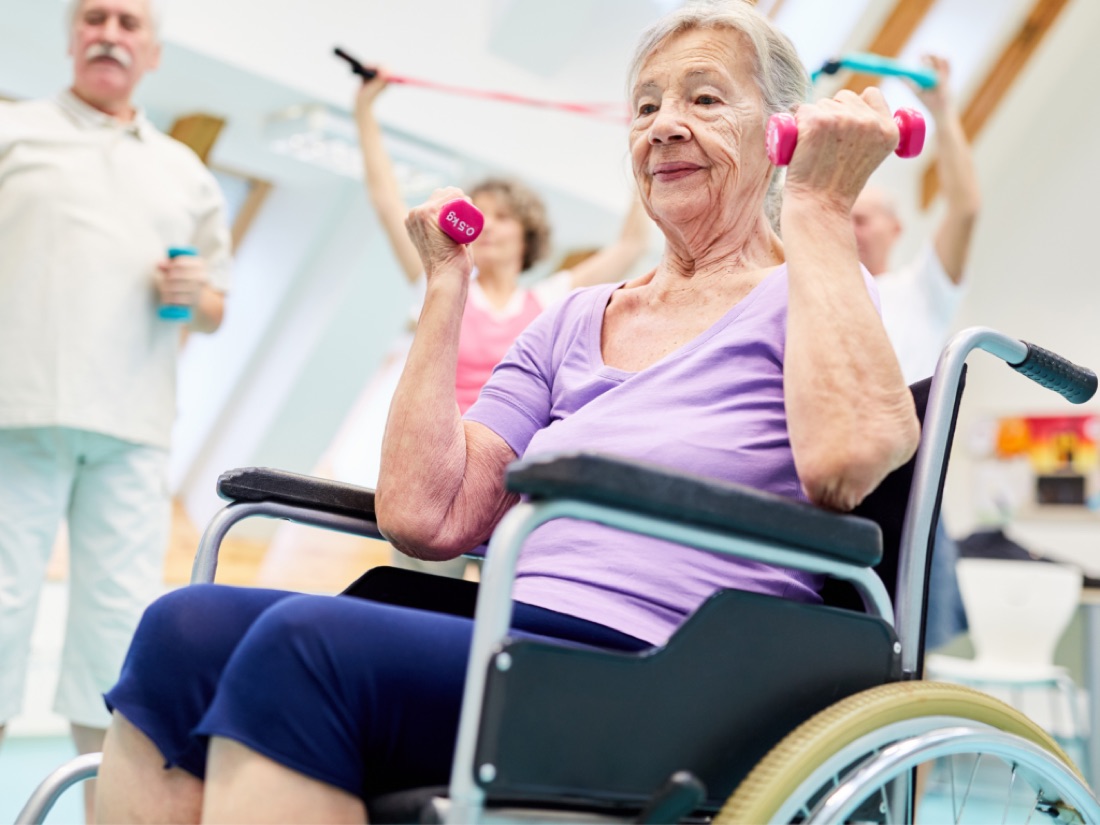
Engaging in regular physical activity has numerous health benefits for seniors. First and foremost, regular exercise aids in maintaining a healthy weight, which in turn, helps in the prevention of a host of health issues such as diabetes, heart disease, and joint problems.
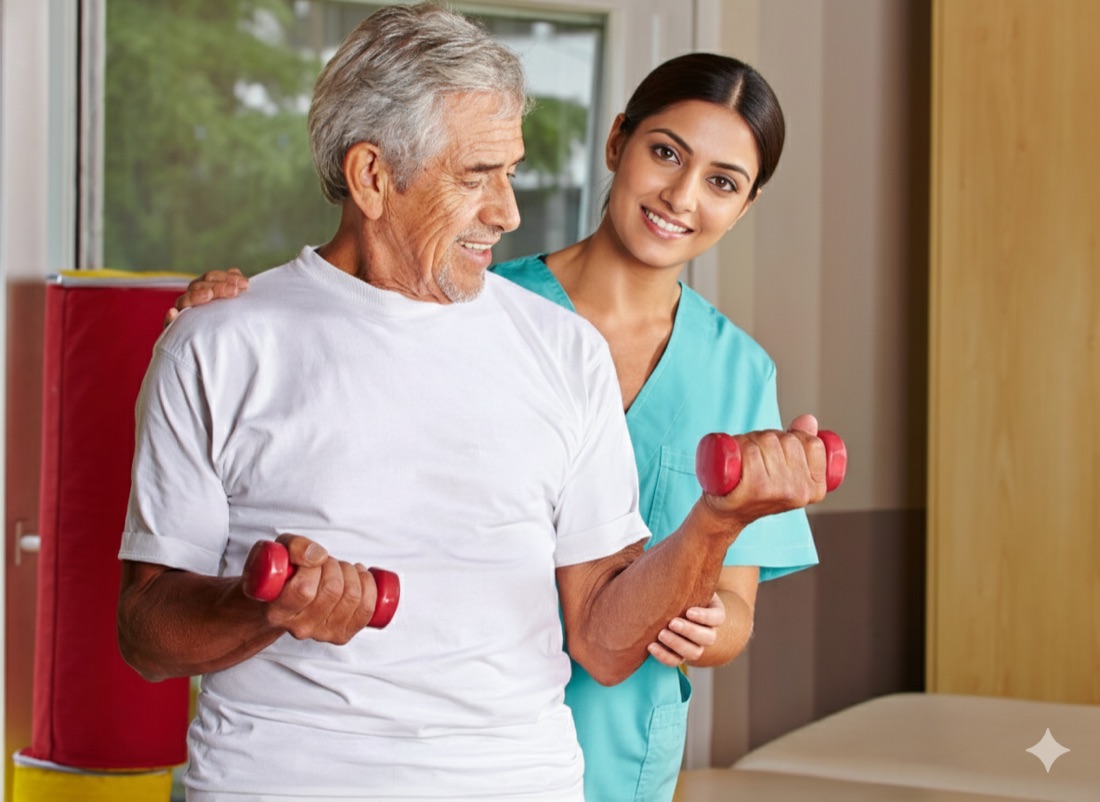
However, that’s not all. As we age, we naturally lose muscle mass and strength, and our balance and coordination can deteriorate. Through a regular and varied fitness program, seniors can slow down these natural processes. Exercises that increase strength can help retain muscle mass and improve metabolism. Additionally, exercises that focus on balance and coordination can help seniors feel more stable, thereby significantly reducing the risk of falls — a significant concern as we age.
Mental and Cognitive Benefits: A Brighter, More Active Mind
Physical activity is not solely beneficial to the body. The mental wellbeing and cognitive benefits associated with regular exercise cannot be overlooked.
Numerous studies suggest that seniors who engage in regular physical activities can delay the onset and slow the progress of Alzheimer’s disease and dementia. Mental health also sees notable improvement, with decreases in occurrences of depression and anxiety. Regular exercise helps improve mood, decrease stress levels, and promote overall mental wellbeing. Thus, physical activity provides seniors with a powerful tool to maintain their cognitive abilities and mental health, contributing significantly to their quality of life.
Creating an Effective and Safe Exercise Plan
While the benefits of physical activity are clear, it’s crucial to approach geriatric fitness wisely to ensure it’s effective and safe.
An appropriate exercise plan considers an individual’s current health condition, mobility levels, and personal preferences. It incorporates a range of exercise types for an all-round workout. This typically includes:
Strength training exercises: These help maintain muscle mass and improve metabolism.
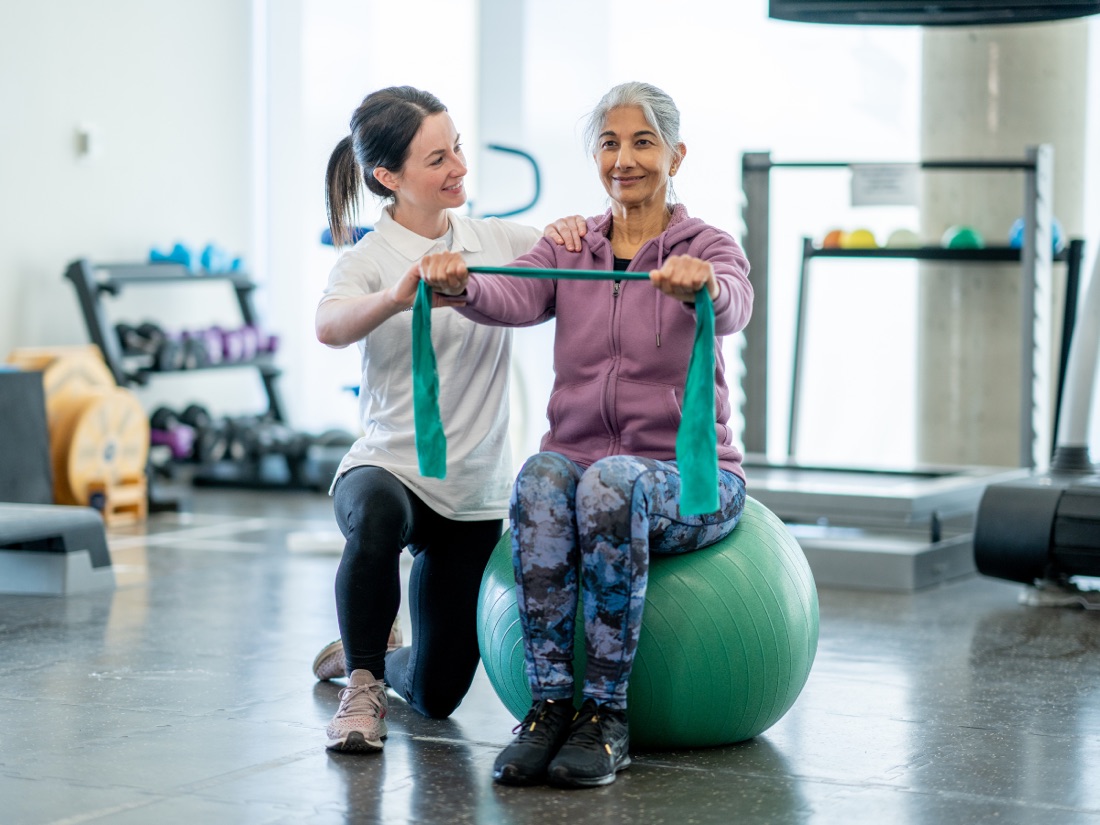
Flexibility and balance exercises: These contribute to enhanced mobility and lower risk of falls.
Cardio exercises:These strengthen the heart and lungs and build endurance.
A healthcare professional can provide guidance in forming an exercise plan suitable for each individual’s needs and capabilities. Regardless of the type of exercise, starting slow is beneficial. Over time, individuals can gradually intensify workouts in duration and intensity.
Ensuring Safety in Fitness
In geriatric fitness, the safety of seniors should be a top priority. Therefore, prior to starting any exercise regimen, clearance from a healthcare professional is necessary. They can provide guidance on which types of exercise are best, based on the individual’s health condition.
In every exercise session, it’s important to remember that warming up before beginning, and cooling down afterward, are essential steps that should never be skipped. They prepare the body for the exertion of exercise and help it to recover afterward, preventing muscle strains or other injuries. Hydration is another crucial factor during exercises. Older adults are more susceptible to dehydration, making it essential for them to consume fluids before, during, and after workouts.
Incorporating Fitness into Everyday Activities
In addition to exercise regimens, incorporating physical activity into daily life can also make a significant impact on a senior’s fitness level. Walking to nearby stores instead of driving, taking the stairs when possible, gardening, dancing, or even doing household chores can all help seniors stay mobile and active. Remember, the goal is to move more and sit less each day.
Geriatric fitness is more than just a strategy. It’s an empowering lifestyle choice that can lead to longer, healthier, and more fulfilling lives for seniors. By focusing on the physical, mental, and emotional aspects of wellbeing, regular fitness activities provide seniors with improved capabilities, greater independence, and a more profound sense of satisfaction in life’s golden years. Here’s to health, vitality, and many more years to make precious memories!
Join the Journey to Wellness with Relive Medical Rehab
Are you or your loved ones looking to embrace a healthier lifestyle during the golden years? At Relive Medical Rehab, we deeply understand the importance of fitness and an active lifestyle for seniors and are committed to helping you achieve that.
Our center in Vijayawada stands as a beacon of hope and well-being, providing an extensive range of services tailored to meet your individual needs. We believe it’s never too late to start exercising and get fit, and our Geriatric Fitness Club is designed with this philosophy in mind.
Take the First Step Today
Visit Relive Medical Rehab to learn more about how we can support you in your wellness journey. Explore our services, take a virtual tour of our center, and understand more about the difference we aim to make in every client’s life.
Whether it’s recovering mobility with physiotherapy, managing pain, or joining our Geriatric Fitness Club, we’re here to support and encourage you on your path to a healthier, vibrant, and independent life.