Explore chronic pain rehabilitation techniques for effective pain management rehab and chronic pain recovery.
How Chronic Pain Rehabilitation Can Improve Your Life
Chronic pain rehabilitation offers an effective approach to managing long-term pain, helping individuals regain control of their lives. Chronic pain affects millions of people worldwide, impacting their physical, emotional, and social well-being. Pain management rehab is a critical part of the treatment journey, providing individuals with tailored strategies to alleviate pain and improve function. By addressing both the physical and psychological aspects of chronic pain, rehabilitation techniques can significantly improve the quality of life for those suffering from ongoing discomfort.
What is Chronic Pain Rehabilitation? A Holistic Approach to Pain Relief
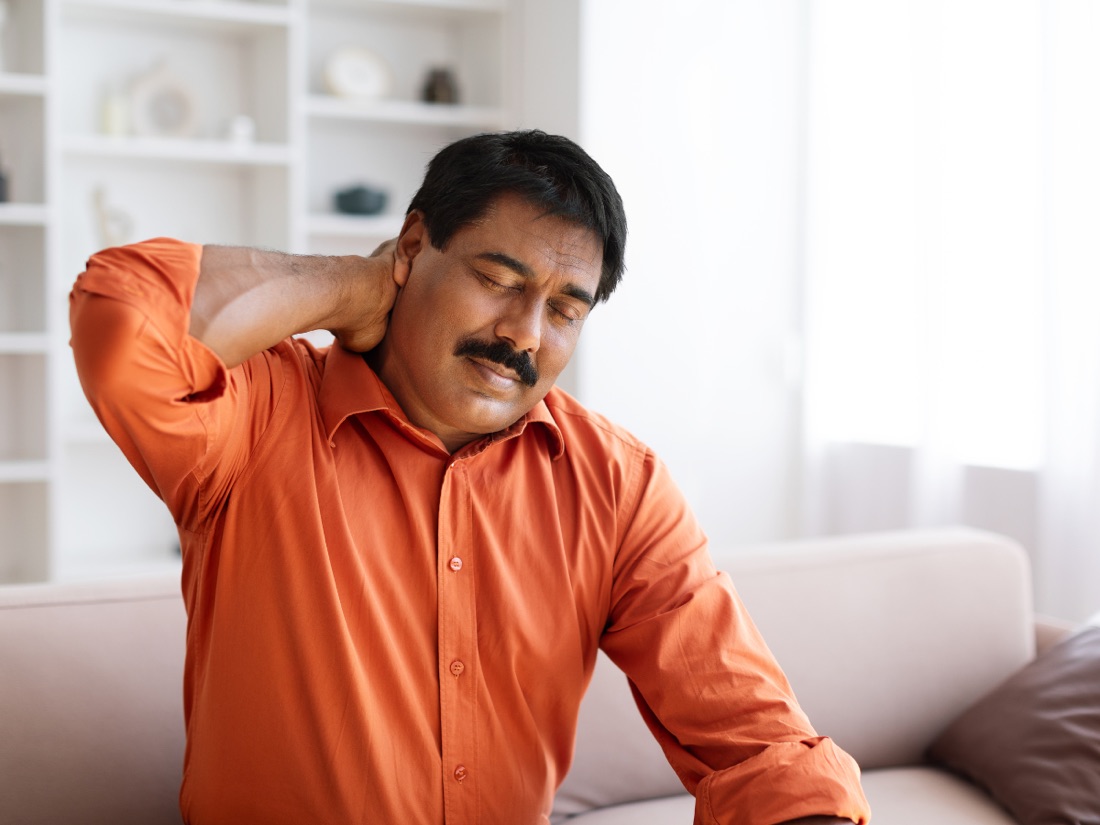
Chronic pain rehabilitation is a comprehensive program designed to help individuals manage long-term pain and regain functionality. It focuses not just on alleviating the physical aspects of pain, but also on addressing the psychological and emotional components. Chronic pain often leads to stress, anxiety, and depression, which can further exacerbate the pain experience. Rehabilitation programs aim to break this cycle, providing patients with the tools they need to manage pain and improve their overall well-being.
Key Goals of Chronic Pain Rehabilitation:
Pain Reduction: Alleviate the intensity and frequency of chronic pain.
Function Restoration: Help individuals regain their ability to perform daily activities.
Psychological Support: Manage stress, anxiety, and depression related to chronic pain.
Preventative Strategies: Reduce the risk of future pain flare-ups and complications.
Pain Management Rehab: The Role of Physical Therapy in Chronic Pain Recovery
Physical therapy is a cornerstone of pain management rehab, offering targeted exercises and manual therapies to improve mobility and reduce pain. By strengthening the muscles surrounding the affected area and enhancing joint flexibility, physical therapy can alleviate the strain that contributes to chronic pain.
Techniques Used in Pain Management Rehab:
Stretching and Strengthening Exercises: Target specific muscles to improve posture and prevent pain.
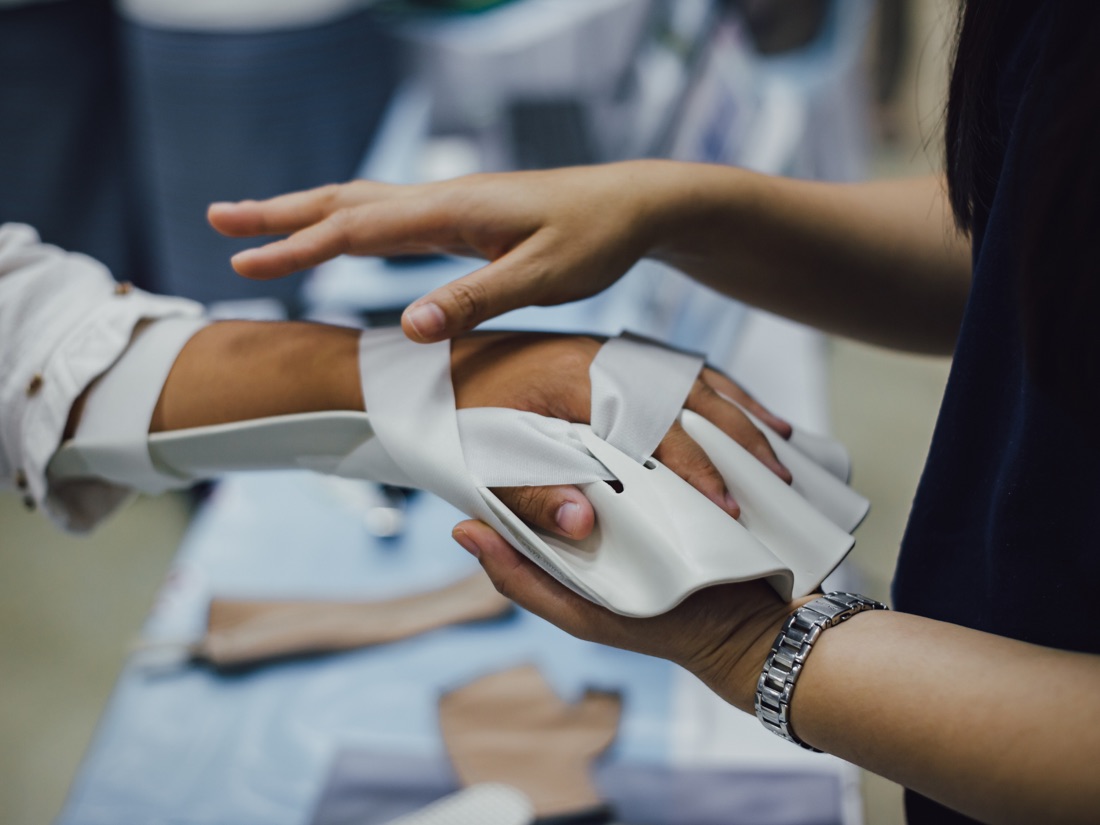
Manual Therapy: Hands-on techniques that help improve movement, flexibility, and reduce muscle tightness.
Postural Training: Correcting posture to reduce strain on the body and improve long-term pain management.
Aquatic Therapy: Exercising in water to reduce pressure on joints while promoting muscle strength and flexibility.
Through tailored programs, physical therapy can help individuals manage their pain without relying on medication, improving mobility and overall quality of life.
Cognitive Behavioural Therapy: Tackling the Psychological Impact of Chronic Pain
Cognitive Behavioural Therapy (CBT) is an essential tool in chronic pain recovery, particularly for addressing the psychological toll of living with pain. Chronic pain often leads to negative thought patterns, such as feelings of helplessness, anger, and frustration, which can worsen the pain experience.
CBT helps individuals change these thought patterns and develop healthier coping mechanisms. This type of therapy empowers patients to manage their pain more effectively by improving their mindset and emotional response.
Key Benefits of Cognitive Behavioural Therapy:
Reducing Pain-Related Stress: CBT teaches techniques to handle stress and anxiety, reducing the intensity of pain.
Improving Mental Health: By addressing depression and anxiety, CBT helps individuals feel more empowered in their recovery.
Enhancing Coping Strategies: Patients learn practical techniques to manage pain and reduce emotional distress.
CBT, combined with other rehabilitation methods, can be a powerful tool in achieving long-term pain management and emotional resilience.
The Role of Occupational Therapy in Managing Chronic Pain
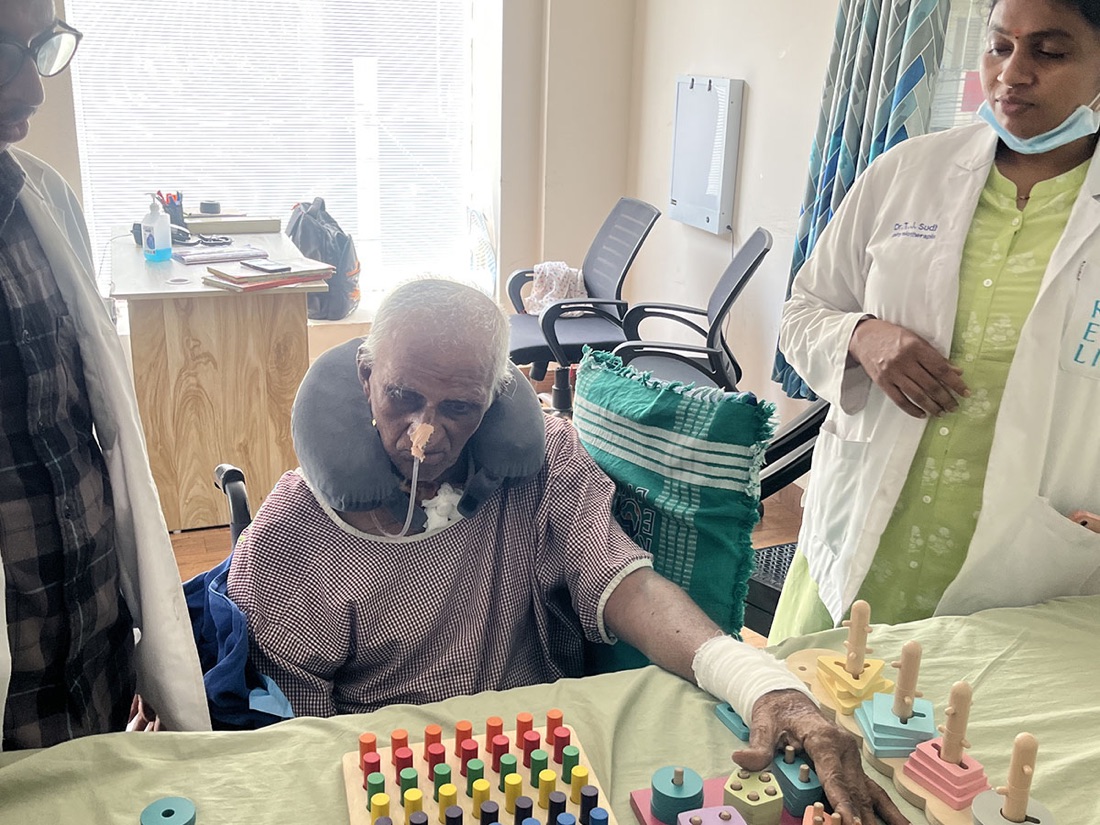
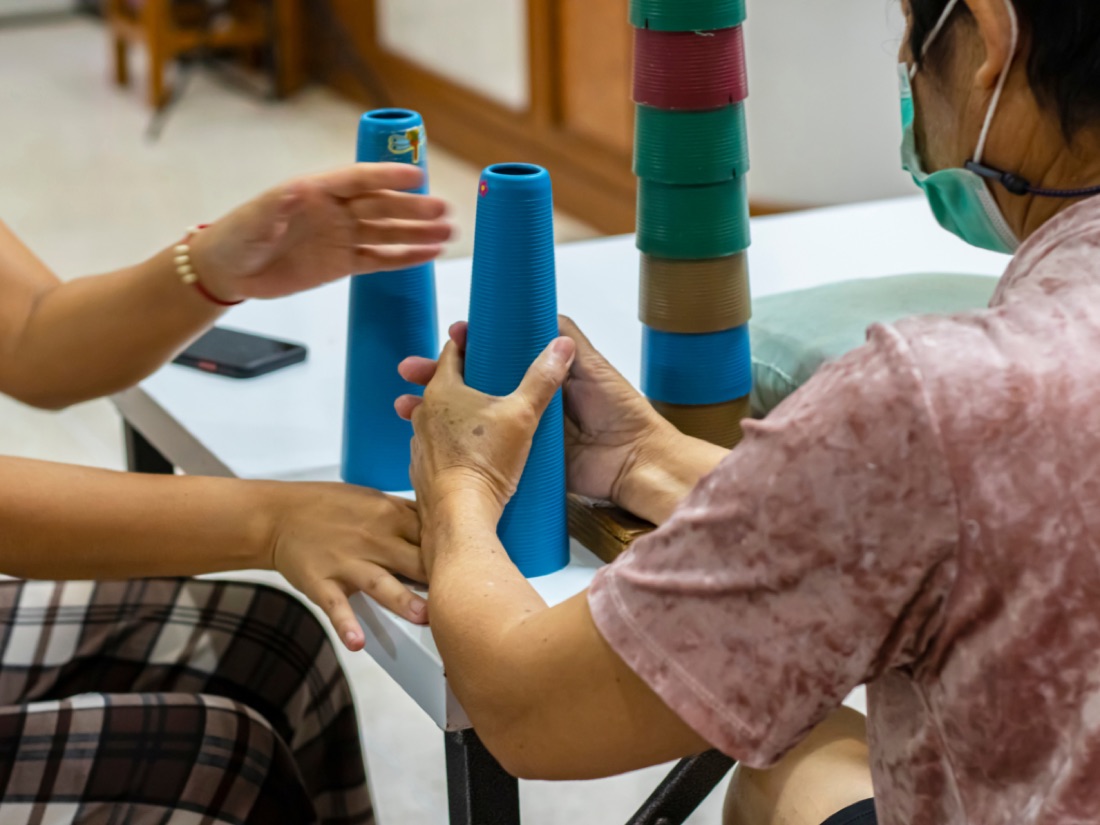
Occupational therapy (OT) plays a significant role in chronic pain rehabilitation, particularly for individuals who struggle with performing daily tasks due to their pain. Whether it’s cooking, cleaning, or simply getting dressed, chronic pain can make everyday activities feel overwhelming.
Occupational therapists work with patients to identify functional impairments and develop strategies to overcome them. This includes recommending assistive devices, modifying the home or work environment, and teaching techniques to reduce strain during daily activities.
Occupational Therapy Techniques for Chronic Pain Management:
Activity Modification: Adapting tasks to reduce physical strain and improve comfort.
Ergonomics: Setting up workspaces and home environments to reduce pain and prevent further injury.
Joint Protection Strategies: Teaching individuals how to protect their joints during activities to reduce wear and tear.
By focusing on improving the ability to perform daily activities, occupational therapy helps individuals live more independently and reduce the frustration that comes with chronic pain.
Mindfulness and Relaxation Techniques: Managing Chronic Pain Beyond the Body
While physical therapy and occupational therapy focus on the body, mindfulness and relaxation techniques address the mind. These techniques help individuals cultivate a sense of calm and reduce pain perception by focusing on the present moment and learning to relax the body.
Mindfulness-based practices have shown great promise in reducing the emotional and physical symptoms of chronic pain. By teaching individuals how to stay focused on the present and regulate their stress response, these techniques can significantly improve pain management.
Popular Mindfulness Techniques for Pain Management:
Deep Breathing Exercises: Reducing muscle tension and calming the nervous system.
Guided Imagery: Using mental imagery to reduce pain perception and induce relaxation.
Progressive Muscle Relaxation: Tensing and releasing muscles to promote relaxation and reduce pain.
Incorporating these techniques into a chronic pain rehabilitation program can help individuals feel more in control of their pain and reduce the impact it has on their life.
FAQs About Chronic Pain Rehabilitation
1. How long does chronic pain rehabilitation take?
The duration of chronic pain rehabilitation varies depending on the severity of the pain and the individual’s specific needs. Some individuals may see significant improvements within a few weeks, while others may require several months of therapy. Consistency and participation in the program are key to achieving long-term pain management.
2. Can chronic pain rehabilitation replace medication?
While chronic pain rehabilitation techniques can significantly reduce pain and improve mobility, they may not completely replace the need for medication, especially in severe cases. However, rehabilitation can help reduce the reliance on painkillers and improve overall function.
3. Is chronic pain rehabilitation suitable for everyone?
Chronic pain rehabilitation is tailored to each individual’s needs, making it suitable for most people with long-term pain. A healthcare provider can assess whether rehabilitation is appropriate based on the individual’s condition and health status.
4. How do I find a good rehabilitation program for chronic pain?
When searching for a pain management rehab program, look for one that offers a multidisciplinary approach, including physical therapy, cognitive behavioural therapy, and occupational therapy. It’s essential to work with healthcare professionals who are experienced in managing chronic pain.
Start Your Pain Management Journey with Relive Medical Rehab
At Relive Medical Rehab, we specialise in chronic pain rehabilitation and offer a comprehensive program designed to help you manage your pain and improve your quality of life. Our team of experienced therapists uses a combination of physical therapy, cognitive behavioural therapy, and mindfulness techniques to provide a holistic approach to chronic pain management. Let us help you regain control and live a pain-free life.
Visit Relive Medical Rehab today to learn more about our chronic pain rehabilitation services and start your journey to recovery.
Follow Us on Social Media for Updates and Support
Stay connected with us for health tips, updates, and success stories. Follow us on our social media channels:
Facebook: Relive Medical Rehab Center
Instagram:relivemedicalrehab