Enhance strength, stability, and functional movement through a personalized balance and coordination exercise program at Relive Medical Rehab Center. Discover how expert-guided therapy can help restore confidence and...
Why Balance and Coordination Exercise Matters in Your Recovery
Regaining confidence in movement is one of the biggest goals for individuals recovering from neurological conditions, physical injuries, or chronic mobility issues. At Relive Medical Rehab Center, the rehabilitation approach goes beyond basic therapy—it focuses on rebuilding the body’s foundation of stability, control, and fluid movement. This is where a balance and coordination exercise program becomes essential.
Everyday activities—walking, turning, reaching, climbing stairs, getting dressed, or even standing still—require a stable interaction between muscles, joints, and the nervous system. When impairments such as stroke, spinal cord injury, traumatic brain injury, neuropathy, or age-related decline affect this connection, the body struggles to maintain proper balance. As a result, individuals experience unsteady steps, slower reaction time, reduced motor control, or an overall fear of falling. Through a structured balance and coordination exercise plan, these challenges can be addressed in a safe, progressive, and personalized way.
At Relive Medical Rehab Center, therapists combine evidence-based training with patient-centered strategies to restore functional movement patterns. These exercises do more than strengthen muscles—they retrain the brain to reconnect signals, stabilize posture, and enhance movement confidence.
How Relive Medical Rehab Center Designs Effective Exercise Programs
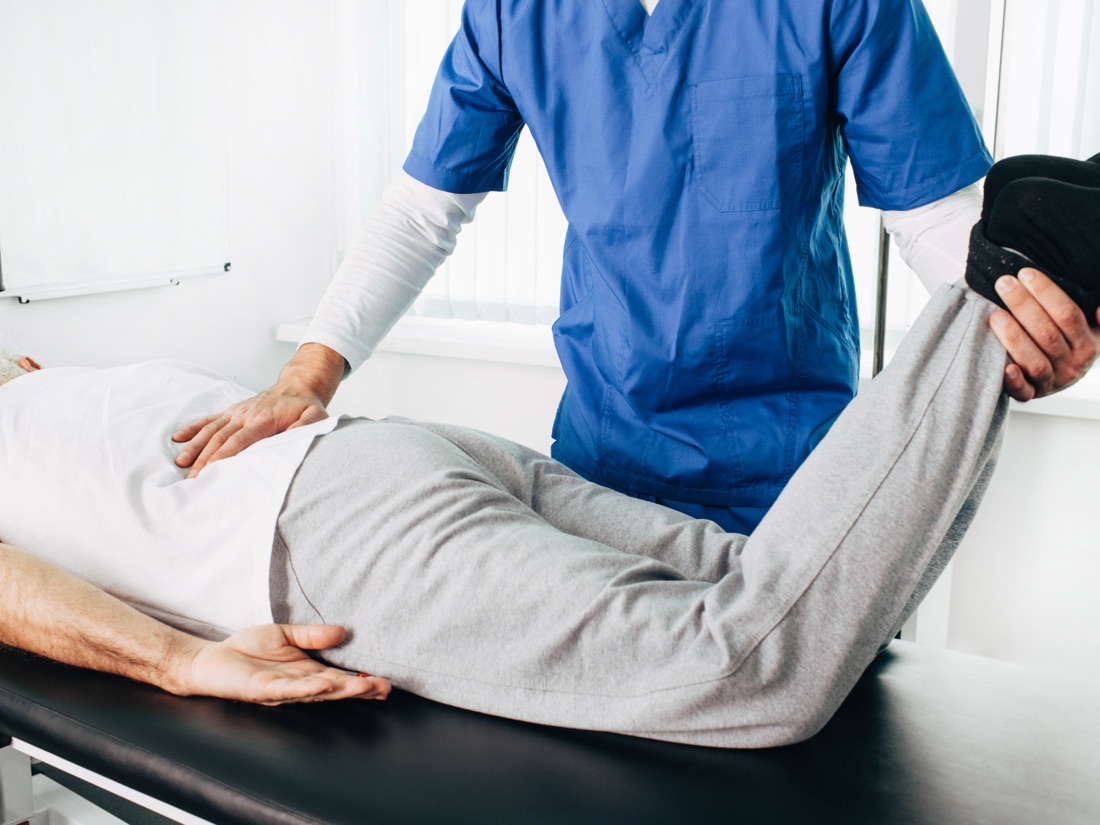
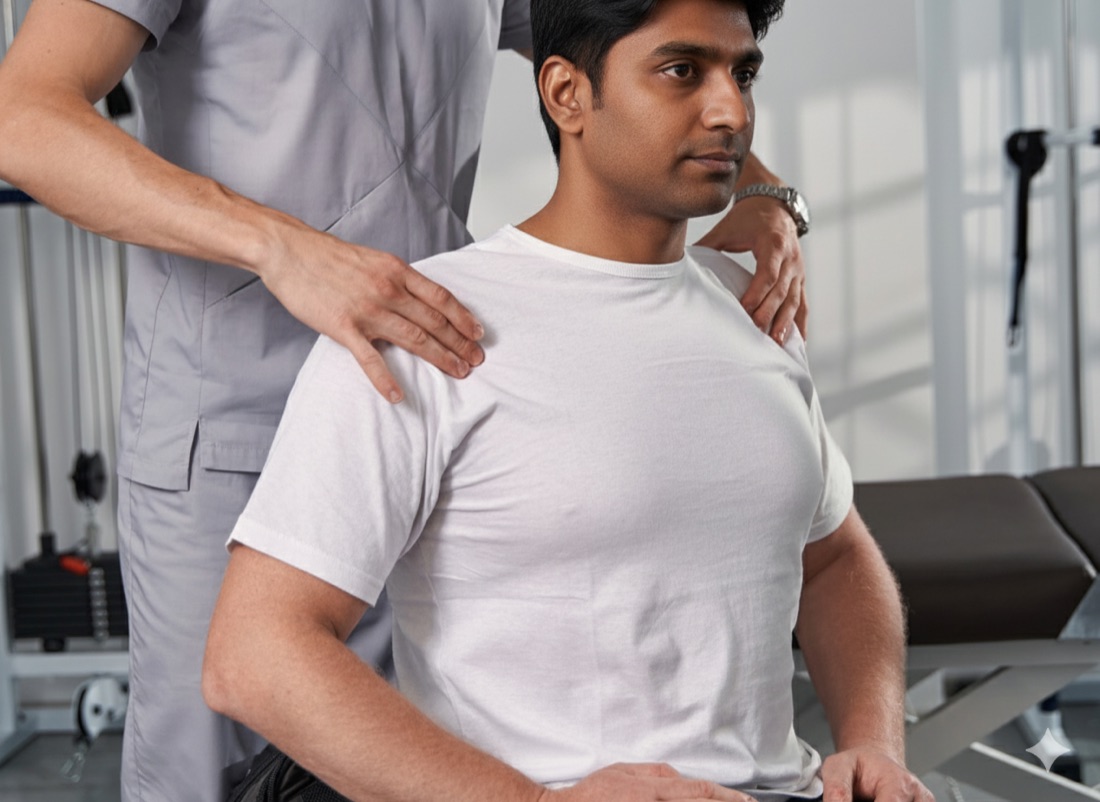
A successful rehabilitation journey starts with understanding a patient’s unique needs. The therapists at Relive Medical Rehab Center conduct comprehensive assessments to evaluate posture, reflexes, gait patterns, mobility limitations, and balance reactions. This allows them to design targeted activities that support gradual improvement.
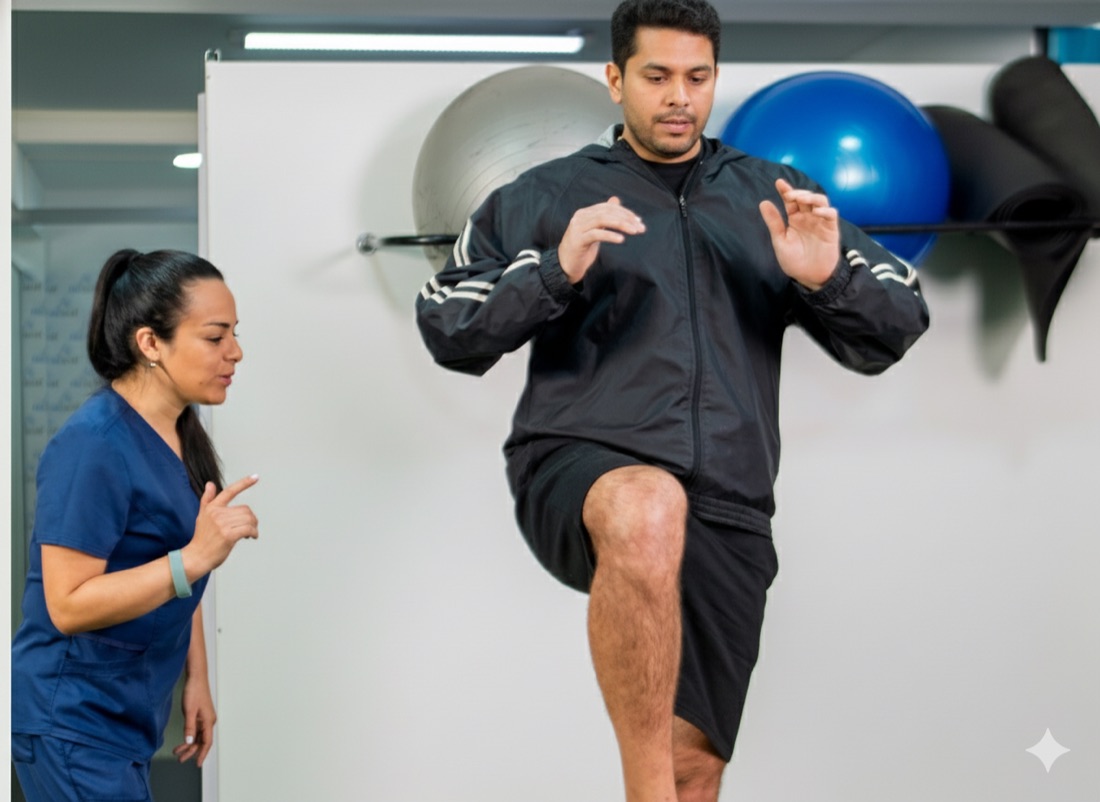
One of the core components is the use of dynamic tasks. These activities challenge the body’s ability to maintain stability while moving, shifting weight, or reacting to changes in the environment. Patients may practice stepping patterns, heel-to-toe walking, supported single-leg stands, or gentle trunk rotations. For those with neurological conditions, training often includes eye–hand coordination drills, dual-task exercises, and functional tasks that mimic real-life situations.
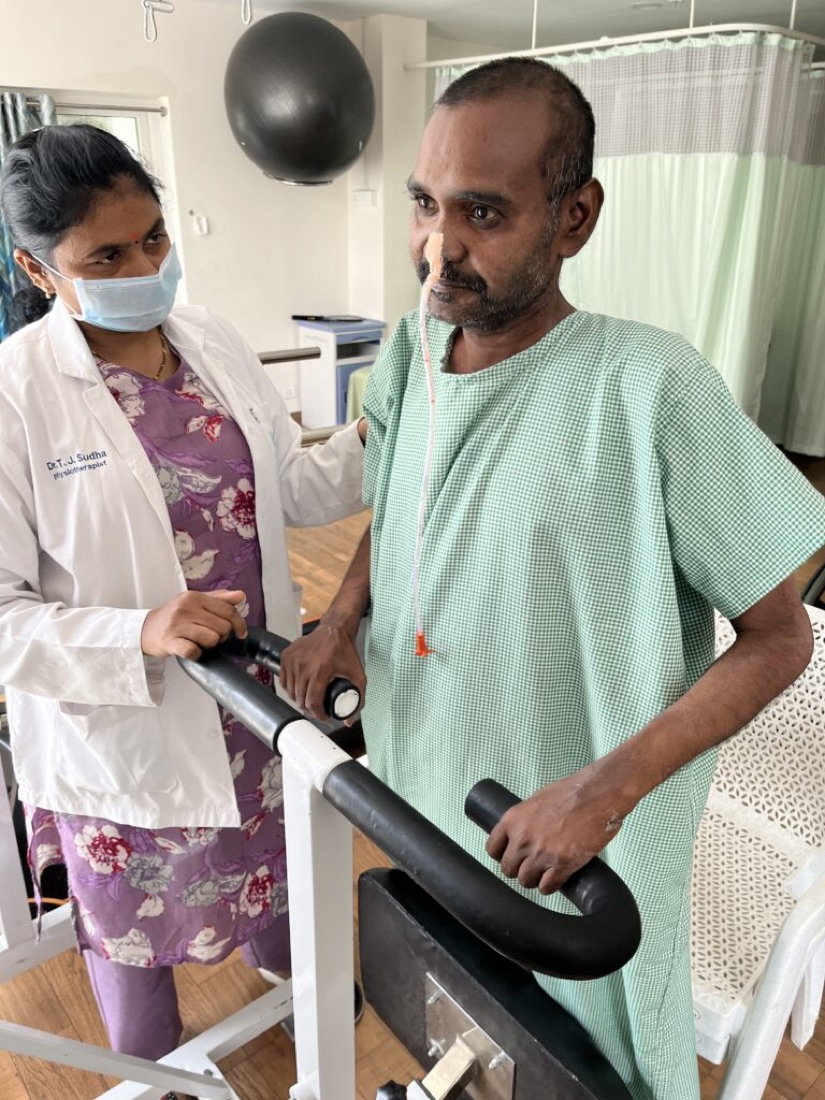
Each balance and coordination exercise is introduced with safety and comfort in mind, especially for individuals with severe impairments. Therapists use parallel bars, stability aids, or harness-supported systems to ensure a secure experience. As patients progress, activities become more complex—encouraging independent movement, better reflex responses, and stronger postural control.
Another essential aspect of the program is repetition. Repeated movement helps the brain create new pathways, improving motor learning and reinforcing good movement habits. Whether it’s practicing stepping strategies, holding stable positions, or coordinating upper and lower body movements, these repetitive actions build a stronger neuro-muscular connection.
The Benefits Patients Experience Through Rehabilitation
What makes the approach at Relive Medical Rehab Center highly effective is its holistic nature. The goal is not just to improve balance, but to enhance overall lifestyle and independence. Through consistent participation in a well-structured program, many patients report noticeable improvements in:
- Mobility: Movements become smoother, quicker, and more controlled.
- Postural Stability: The body compensates better when shifting weight or reacting to uneven surfaces.
- Coordination: Activities requiring precision—like reaching, standing from a chair, or walking around obstacles—become easier.
- Confidence: Patients regain trust in their bodies, reducing fear of falling and enabling them to engage more in daily routines.
- Strength and Endurance: Supporting muscles in the trunk, hips, and legs grow stronger, contributing to better overall movement.
These improvements help patients return to meaningful activities—work, hobbies, social engagements, or home tasks—without relying heavily on assistance.
The Role of Support and Motivation in Recovery
At Relive Medical Rehab Center, rehabilitation is not just a clinical intervention—it is a partnership. The therapists provide continuous encouragement, guidance, and personalized adjustments to ensure patients stay motivated and engaged. Recovery can be physically and emotionally challenging, but a positive environment makes the journey more manageable.
Education is also a major part of the program. Patients learn practical tips to incorporate balance-building habits at home: safe standing routines, mindful walking, core stabilization activities, and simple daily motions that improve mobility over time. These lifestyle-based strategies help maintain progress even after supervised therapy sessions.
Experience Functional Movement Again with Relive Medical Rehab Center
Rehabilitation is a journey toward renewed independence, and the right therapeutic foundation can make that path smoother. If you or a loved one is experiencing mobility limitations, instability, or coordination challenges, exploring a guided balance and coordination exercise program at Relive Medical Rehab Center can be a transformative step. With expert care, supportive therapists, and tailored interventions, patients can regain strength, stability, and confidence—one movement at a time.
For more information about our programs or to start your rehabilitation journey, contact us today at Relive Medical Rehab Center and let our team guide you toward better mobility and confidence. Stay connected and follow us on facebook and instagram.
For a deeper look into how neurological conditions affect daily life and how specialized care can support recovery, you may also read our related blog: Understanding Neurological Health Problems: A Holistic Approach at Relive Medical Rehab Center.